

Monstera Production via Pexels.
Not the Version You See on YouTube
Let me be upfront before you read further.
Most content on AI side hustles exists to sell you something.
The headline promises $10,000/month. The article gives you vague ideas. You leave with nothing useful.
This isn’t that.
I spent time looking at actual data—freelance earnings reports, gig economy studies, FTC enforcement cases—and more importantly, real people doing this work right now.
Some of what I found is exciting.
Some of it is honestly disappointing.
But all of it is real.
If you’ve been following how income trends are shifting in the U.S., this pattern isn’t isolated. We recently broke down how the job market is slowing down and why more Americans are turning toward alternative income streams. That context helps explain why AI side hustles are not just trending—but becoming necessary for many households today.
👉 Read more: https://usaconcern.com/job-market-2026-usa-hiring-slowdown/
Why 2026 Is Different From Every Other ‘AI Opportunity’ You’ve Heard About
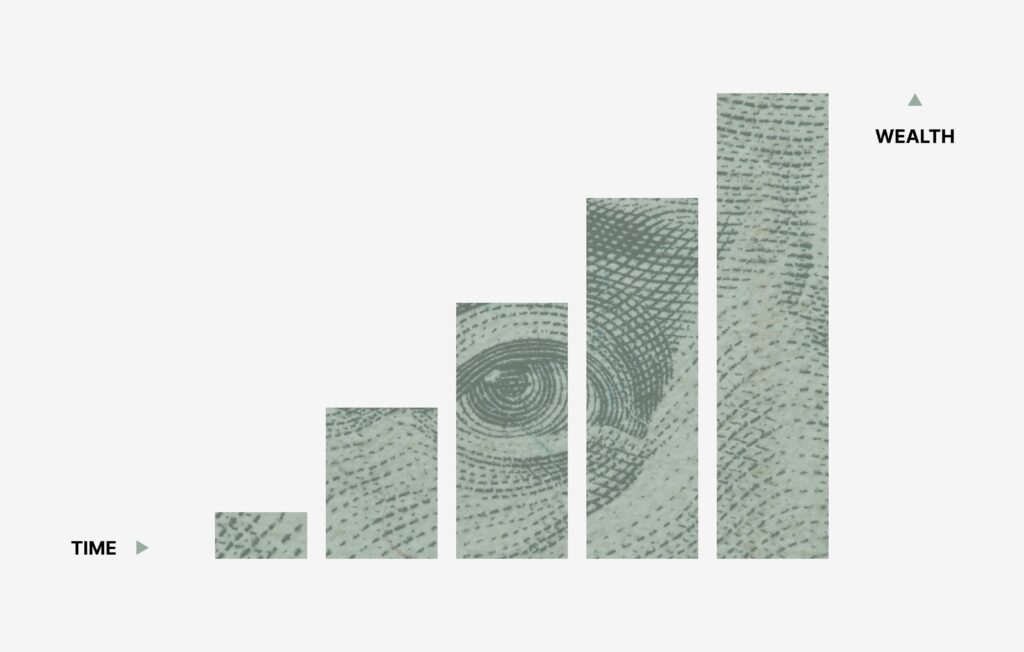
For the last few years, the advice was always the same: learn AI, stay ahead of the curve, the opportunity is coming. Well, it’s not coming anymore. It’s here, and the numbers reflect that clearly.
A 2026 survey by MyPerfectResume found that 72% of working Americans now rely on at least one secondary income source. That’s not people being greedy — that’s people doing math. Wages grew 18% between 2020 and 2024, but inflation rose 21% over the same period. The paycheck doesn’t stretch the way it used to, and people know it.
What’s changed this year specifically is the force multiplier. AI tools are mature enough now that a single person with a laptop can deliver work that previously required a team of three or four. That’s not hype — that’s the operating reality for thousands of freelancers right now.
| $674 Billion Size of the global gig economy in 2026 — with roughly 36% of Americans actively running a side hustle (ZipRecruiter / Grey Journal data) |
Here’s the data point that stopped me when I first saw it. Upwork’s 2026 In-Demand Skills report analyzed actual client spending across the platform — not surveys, not projections, but real money changing hands. AI-related freelance work grew 109% year-over-year. AI video editing and generation surged 329%, making it the single fastest-growing skill category on the platform. These aren’t forecasts. This is what happened.
This shift also connects with a broader movement we’ve seen—middle-class Americans rethinking traditional city life and income stability. Rising costs and economic pressure are pushing people to explore new ways of earning, and AI is simply becoming the tool that makes it possible.
👉 Full analysis: https://usaconcern.com/middle-class-americans-leaving-cities-2026/
Freelancers doing AI-related work on Upwork earned 44% more than the platform average in 2025. AI automation specialists are charging $75 to $200 per hour for work that flat-out didn’t exist two years ago.
What’s Actually Working — And What’s Mostly Hype

Before getting into the specifics, let me save you some time on the traps. The FTC’s Operation AI Comply initiative cracked down on multiple AI-powered fraud schemes in 2025 and 2026.
One case involving a company called Ascend Ecom alleged consumers were defrauded of at least $25 million through false claims that AI tools would generate thousands in monthly passive income with zero effort. The FTC is watching this space closely. If a program promises you significant passive income through AI with minimal work, that’s your cue to walk away.
The Side Hustle School podcast — which has documented hundreds of real income stories since ChatGPT launched — is blunt about this: fully automated content farms get penalized by Google, AI courses about AI are saturated unless you have something genuinely unique to teach, and adding the word ‘AI’ to a dropshipping business doesn’t fix the fundamental problems of dropshipping.
Real AI side hustle income comes from combining AI tools with a human skill and delivering a result that businesses actually need.
Beginners realistically earn $500–$1,000/month in their first six months. The ‘$300/day’ figures you see in YouTube thumbnails are the exception, not the rule — and they typically represent someone who had an existing audience or client base before they started.
Now for what’s genuinely working.
If you’re exploring AI as a way to earn, it’s also worth understanding the tools behind these systems. We’ve covered some of the most practical AI tools people are using today—not from a hype perspective, but from real usability and results.
👉 Explore tools: https://usaconcern.com/ai-tools-guide-2026/
1. AI Automation Consulting for Small Businesses
This is the highest-earning AI side hustle for most people right now, and it’s one that very few people are talking about correctly. The idea is straightforward: small businesses know AI could help them, but they have no idea where to start or how to implement anything. You become the person who figures that out for them.

A data professional writing on Medium described a junior analyst on his team who was making $500–$1,500 per AI agent built for local businesses — dentists, plumbers, real estate agents — with each build taking about four hours. That’s $125–$375 per hour, on a skill that took him weeks to develop, not years.
The Grey Journal’s research puts AI automation specialists at $75–$200 per hour for workflow consulting, with the top tier reaching $5,000–$15,000 per month. The skill isn’t coding. It’s translating what a business needs into what tools like Zapier, Make, and Claude can actually deliver. That’s a communication skill. Many of the most successful AI agency owners come from marketing and consulting backgrounds, not software engineering.
Freelancers with some basic scripting ability — even just enough to customize an API call — earn 40–60% more per hour than those working exclusively with no-code tools, according to 2026 Upwork data. But no-code alone is a completely legitimate starting point.
The skill that matters most is not knowing how to build AI — it’s knowing which business problem to solve with AI, and being able to explain the solution to someone who’s never used these tools before.
Where to start: Identify three or four local businesses in a specific industry — say, dental practices or real estate agencies. Learn their workflow pain points. Then build one example automation for free or at a significant discount to get a testimonial. One strong case study opens more doors than a hundred cold emails.
2. Custom GPT and AI Agent Building
The Side Hustle School documented one of the clearest success stories in this space. The approach: find busy professionals who do the same writing task over and over — LinkedIn posts, client updates, weekly reports — then build a custom GPT trained on their voice, style, and content. No coding involved. The GPT Builder is drag-and-drop.
Each bot takes a few hours to build. The charge: $500–$1,500 per bot, plus an optional monthly retainer of $100–$300 for maintenance and new prompts. The retainer is the key part. It converts a one-time project into recurring income. An executive who pays $800 for a bot and then $150 per month for upkeep is worth $2,600 in year one with almost no additional work after the initial build.
Why do clients pay for this? Because the alternative is spending an hour every day on writing tasks they hate. The ROI calculation takes about thirty seconds for anyone running a business. That’s exactly the kind of value that commands premium rates without any resistance.
3. AI-Assisted Freelance Writing
This one gets misrepresented constantly. The version that doesn’t work is generating pure AI text, copying it, and submitting it to clients who expected original thinking. Platforms and clients are increasingly good at detecting this, and the rates for that kind of work are deservedly low.
The version that works — and pays well — is using AI to dramatically increase your output speed while your human judgment, expertise, and editorial voice remain the actual product. A writer who used to produce three articles per week can now produce eight or ten, at the same quality, without burning out. That’s the force multiplier in practice.
AI freelancers doing content work on Upwork charge $0.15–$0.50 per word for quality work. At 10 articles per week averaging 1,200 words each, even at the lower end of that range, you’re looking at $1,800/month as a part-time side hustle. Build a niche — tech, finance, healthcare, legal — and rates climb considerably higher than the platform average.
4. AI Video Editing and Generation

This is the 329% growth category on Upwork, and it’s worth understanding why that number is so dramatic. Tools like Runway, Sora 2, and Kling are generating raw AI video footage. The problem is that raw AI video is rarely usable straight out of the model.
It needs editing, sequencing, voice-over, music, transitions — someone who understands storytelling and post-production to turn AI output into something a business can actually publish.
That someone is you, if you’re willing to learn the tools. Faceless YouTube channel management — where you use AI voiceover, AI-generated visuals, and scripting tools to run a channel without appearing on camera — is a growing category. Starter income is modest ($0–$300/month in the first few months). But channels that gain traction can reach $3,000–$10,000 per month through AdSense and sponsorships, with a relatively small ongoing time commitment once the workflow is built.
The more immediately lucrative path is offering AI video editing as a service to businesses and content creators directly — charging $200–$600 per project for video work that previously required expensive production companies or full-time staff.
5. Prompt Engineering for Business Workflows
Hear me out before you scroll past this one, because the mainstream narrative around prompt engineering is wrong in a specific and important way. Solo ‘prompt engineer’ as a job title is indeed mostly hype — the models keep getting better at understanding natural language, which steadily reduces the value of writing clever prompts. That part is accurate.
What is real is prompt engineering as a consulting service for enterprise clients deploying AI at scale. A business running GPT through hundreds of customer service interactions per day, or using Claude to generate reports from internal data, or integrating Gemini into a legal research workflow — these companies need someone who understands not just how to write a prompt, but how to design a prompting system that produces consistent, reliable, auditable outputs across thousands of use cases.
That’s a completely different thing, and it commands $200–$500 per hour for workshop-format engagements.
The entry point is smaller than it sounds. Many businesses want a one-day audit: someone to look at how their team is currently using AI tools, identify the three or four highest-leverage changes to their prompts and workflows, and document the improvements.
Charge $800–$1,500 for that audit. Do five of them and you’ve built both a portfolio and enough pattern recognition to command higher rates on the next ten.
What the Numbers Actually Look Like — By Hustle and Experience Level
These figures are drawn from Upwork earnings data, GREY Journal research, and documented case studies — not social media claims. Your results will depend on your consistency, your niche specificity, and how aggressively you build client relationships.
| AI Side Hustle | Starter (0–6 mo) | Intermediate | Advanced |
| AI Automation Consulting | $500–$1,000/mo | $2,000–$5,000 | $8,000–$15,000 |
| Custom GPT / AI Agent Build | $500–$1,500/proj | $3,000–$8,000 | $10,000–$25,000 |
| AI Freelance Writing | $300–$800/mo | $1,500–$3,000 | $5,000–$10,000 |
| AI Video Editing | $400–$900/mo | $1,500–$4,000 | $6,000+ |
| Faceless YouTube (AI) | $0–$300/mo | $500–$2,000 | $3,000–$10,000+ |
| Prompt Engineering (biz) | $200–$600/proj | $1,000–$3,000 | $5,000+ workshops |
The Part Nobody Talks About Honestly
Six months. That’s the realistic timeline to your first $1,000 month from an AI side hustle if you’re starting from scratch. Not six days. Not six weeks. Six months of building skills, finding your first few clients, and refining what you offer based on what the market actually responds to.
The path from $1,000 to $5,000 per month takes another 6–12 months of intentional client acquisition and skill development. The path to $10,000+ per month — which is genuinely achievable — typically requires productizing your service into fixed-price packages and building a small system for finding new clients without relying entirely on platform marketplaces.
One thing that often gets glossed over: platform fees add up. Upwork charges 20% on your first $500 with each client, then 10% up to $10,000, then 5% above that. Fiverr takes 20% flat.
On $80,000 in annual freelance income, the difference between paying platform rates versus billing direct clients is $16,000 per year. Building direct client relationships early — even while using platforms to find your first clients — pays off significantly over time.
There’s also a tax reality that catches a lot of first-year AI freelancers off guard. Every dollar you earn is self-employment income. Self-employment tax runs 15.3% on top of your regular income tax rate.
One CPA specializing in AI freelancers documented clients owing $40,000–$65,000 in combined federal tax at filing because they didn’t set aside quarterly payments. Set aside 30–35% of every payment from day one, into a separate account you don’t touch. This isn’t optional advice.
The people winning with AI side hustles in 2026 are not the ones who found the secret hack. They’re the ones who picked one specific service, got genuinely good at it, and showed up consistently for six months when most people would have quit.
Where to Start — A Realistic First 30 Days
Pick one hustle from this list. Not two. Not five. One. The biggest mistake people make is spreading their attention across multiple ideas simultaneously, building shallow competence in all of them while developing real depth in none of them.
- Week 1: Identify the specific problem you’re going to solve and which type of business you’ll solve it for. ‘AI automation for dental practices’ is a specific offer. ‘AI services’ is not.
- Week 2: Build one example of your service for free, or at a steep discount, for someone you know. Document the process and the result in detail — this becomes your first case study.
- Week 3: Create a simple one-page description of your offer, your process, and the outcome clients can expect. Post it on LinkedIn. Tell everyone in your network. Reach out directly to 10 businesses that fit your target profile.
- Week 4: Follow up on every response you got. Take a discovery call with anyone who shows interest. Don’t pitch — just ask questions about their workflow and listen. The sale happens naturally when you understand the problem better than they do.
One month of that is worth more than six months of consuming content about AI side hustles without taking action. The information is already enough. The variable is whether you actually do something with it.
Final Thought
The AI economy is not coming. It’s already distributing money to the people who showed up early enough to develop real skills and late enough to work with tools that are actually mature.
That window is still open. But it won’t stay open at this level of accessibility forever, because every month that passes, more people figure this out.
The question isn’t whether there’s an opportunity. The data makes that clear. The question is what you’re going to do this week.
The only difference between people earning and people watching is simple:
- Some started and stayed consistent
- Others kept researching and waiting
Six months from now, this will either be something you built…
or something you kept reading about.
FAQ Section
1. Can you really make $1,000 per month with AI side hustles?
Yes, but it’s not instant. Most beginners start with $200–$500 per month and gradually scale. Reaching $1,000 usually takes around 3 to 6 months of consistent work, depending on the method and effort. AI helps increase speed, but income still depends on real work and demand.
2. What is the easiest AI side hustle for beginners?
AI-assisted freelancing and content writing are the easiest starting points. They require minimal technical skills and allow you to earn quickly by offering simple services like writing, captions, or product descriptions. These are often the fastest ways to make your first $100–$500 online.
3. Which AI side hustle pays the most in 2026?
AI automation services and custom AI solutions for businesses currently pay the highest. Many freelancers charge $100–$500 per client or even more. These roles focus on solving business problems rather than just creating content, which increases their value.
4. How long does it take to start earning money with AI?
Most people take about 1–2 months to earn their first income and 3–6 months to build consistent earnings. The timeline depends on how quickly you learn, apply, and stay consistent. There are no guaranteed shortcuts.
5. Do you need technical skills to make money with AI?
No, not in the beginning. Many successful people use no-code tools and focus on basic skills like writing, communication, and problem-solving. However, learning additional skills over time can significantly increase your income.
6. Is AI income passive or active?
In most cases, it is active income, especially in freelancing or services. Some models like digital products or YouTube can become semi-passive over time, but they still require effort to build and maintain.
7. Are AI side hustles safe and legitimate?
Yes, but only when done correctly. Avoid platforms or programs that promise guaranteed income with no effort. Real AI income comes from providing value through services, content, or solutions—not shortcuts.
8. What are the biggest mistakes beginners make?
Common mistakes include:
- relying completely on AI without editing
- trying too many ideas at once
- expecting fast results
- not understanding client needs
Success usually comes from focusing on one method and improving over time.
9. Which platform is best to start earning with AI?
Platforms like Fiverr and Upwork are popular for beginners. However, building direct clients or selling your own digital products can be more profitable in the long run since you avoid platform fees.
10. Is the AI side hustle trend going to last?
Yes, because it’s part of a bigger shift in how work is done. AI is becoming a standard tool in many industries, and people who learn to use it effectively will continue to find earning opportunities in the coming years.
Thank you for visiting usaconcern.com and taking the time to read our content. Your visit truly matters to us. Stay alert and stay informed, because an informed voice can help shape a better future.
Feel free to leave a comment below with your thoughts!!


Hey, I’m Vishal Srivastava — the person behind USAConcern.com. I started this site because I genuinely believe there are conversations happening in America that deserve more honest, human coverage. I write about health, mental wellness, lifestyle, and the cultural shifts shaping everyday American life, as I come from a strong background in artificial intelligence and engineering, combined with certified knowledge in mental wellness and fitness. My goal is to bridge the gap between technology and human well-being. I believe true success comes from a balance of a sharp mind, a healthy body, and smart use of technology. Through my work, I aim to provide practical solutions that improve both performance and lifestyle. Thanks for reading—your journey to a better mind, body, and life starts here.
This guide explained everything clearly.