
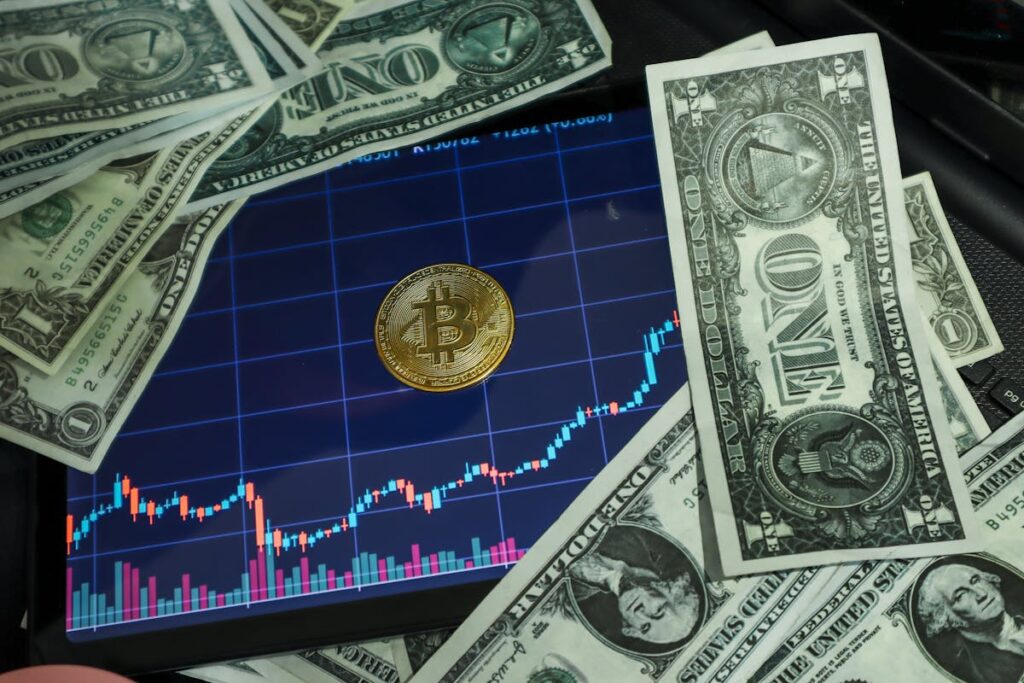
Here’s What the Numbers Actually Say — No Spin, No Hype
Okay, let’s be real for a second.
Every few months, someone in Washington goes on TV and announces that America is about to have the greatest economic year ever. They show you a chart. They say the word ‘historic. You nod along—and then you go to the grocery store, and nothing feels historic at all.
So when people started talking about a US economic boom in 2026, I got curious. Not the politician version. Not the Wall Street version. The actual version—what do the numbers say, what are the risks, and what does it mean for regular people?
That’s exactly what this post is about. Let’s get into it.
Goldman Sachs is forecasting 2.8% full-year GDP growth for the US in 2026 — well above the Wall Street consensus of 2.2%. That’s not a boom. But it’s genuinely solid.
First — What Even Is the Economy Doing Right Now?
To understand it better, here’s the big picture. before we talk about what’s coming.
Q3 2025 was strong. Real GDP grew at 4.4%—that’s a big number. Then Q4 hit and growth fell to just 1.4%. Why? Mostly because of the government shutdown, which single-handedly knocked about 1 full percentage point off GDP. That wasn’t the economy breaking down. That was politics getting in the way.
Now that the shutdown mess is behind us, that rebound effect is expected to show up in early 2026 data. So the starting point for this year is better than Q4 makes it look.
What Are Forecasters Actually Saying?
Here’s the honest range of forecasts from people who study this for a living:
Goldman Sachs: 2.8% full-year growth. The most optimistic of the major banks, and their reasoning is detailed and specific—tax cuts, rate cuts, and fading tariff drag.
Vanguard: Mid-2% range, driven by AI investment and solid private spending.
Deloitte: 2.2% — more cautious, with warnings about consumer slowdown and tariff pressure.
US Chamber of Commerce: 2% minimum, with a path to 3% if AI boosts productivity and tax cuts kick in hard.
Trump’s Commerce Secretary: 5% for Q1, 6% for the full year. Independent economists politely disagree.
The realistic landing zone is somewhere between 2.2% and 2.8%. That’s a good year. Not a once-in-a-generation boom, but genuinely better than most recent years.
Three Things That Could Actually Make This Year Strong
1. Tax cuts are trending right now.
The ‘One Big Beautiful Bill Act’ passed in 2025, and its effects are starting to show up in 2026 tax refunds. Goldman Sachs estimates that around $100 billion in extra refunds—about 0.4% of annual disposable income—will hit consumer bank accounts in the first half of this year alone.
Real wages are also inching ahead of inflation for the first time in a while. That combination — more money from refunds plus wages that actually buy more — is a genuine tailwind for consumer spending, which drives roughly 70% of the US economy.
2. The Fed Is Getting Ready to Cut Rates
Interest rate cuts are coming. Goldman Sachs expects two cuts—one in June, one in September. KPMG forecasts three cuts, starting in June, bringing the Fed’s rate down to a neutral 2.75–3% range.
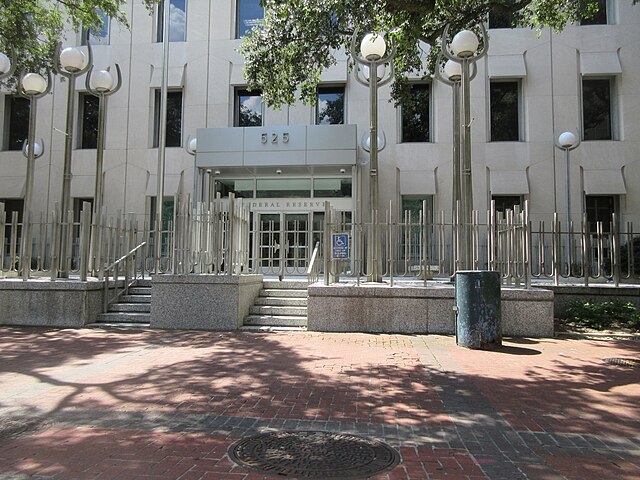
Lower rates mean cheaper mortgages, cheaper business loans, and more money flowing into investment and expansion. Every time the Fed cuts, it’s like loosening a valve on the economy. The question is just how much and how fast.
3. AI Is Pumping Billions Into the Economy
This one doesn’t get nearly enough attention in mainstream coverage. Businesses are spending massive amounts on AI infrastructure—data centers, chips, software—and all of that investment shows up directly in GDP figures.
Vanguard explicitly calls AI-related capital spending one of the primary drivers of 2026 growth. The Chamber of Commerce goes further: if AI starts meaningfully boosting worker productivity this year, a 3% growth rate becomes achievable. That would be genuinely impressive.
Tax refunds, rate cuts, AI investment — these three things together create a real tailwind for the US economy in 2026. None of them are hype. All of them are happening.
Now the Part Nobody Wants to Talk About
Growth forecasts are one thing. Reality is another. Here are the genuine risks that could complicate this year’s story.
Tariffs Are Still Hitting Your Wallet
Tariffs from 2025 haven’t gone away — they’ve just become background noise. But the impact is real. Stanford’s Institute for Economic Policy Research found that over 50% of tariff costs are now being passed directly to consumers in the form of higher prices.
In February 2026, the Supreme Court struck down some tariffs as legally overreaching. But analysts at Deloitte expect the average tariff rate to still climb to around 12% as the administration re-implements them through other legal channels. So don’t expect significant price relief anytime soon.
Consumer Confidence Has Quietly Collapsed
This is the number that keeps me up at night when I look at the 2026 outlook.
The Conference Board’s Consumer Confidence Index fell from 94.2 in December 2025 to 84.5 in January 2026. Readings below 80 historically signal a recession is coming. We’re not there yet—but we’re close enough that it’s not something to brush off.
People aren’t just worried about prices anymore. They’re worried about their jobs. The Roosevelt Institute found that in November 2025, anxiety about job loss reached levels seen in only three other months over more than two decades of measurement. That’s a striking statistic.
The Job Market Is Softer Than the Headlines Suggest
Here’s something that gets lost in the unemployment rate numbers: the job market has structurally changed. Because immigration dropped sharply under stricter enforcement, the economy now only needs to add 30,000–50,000 jobs per month to keep unemployment steady. Two years ago, that number was 125,000+.
Goldman Sachs expects payroll gains to roughly double from 2025’s pace—rising to around 70,000 per month. Even then, AI could start suppressing hiring meaningfully. Companies are increasingly able to do more with the same number of people, which is good for productivity but not necessarily for job seekers.
Stagflation—The Word Nobody Wants to Say
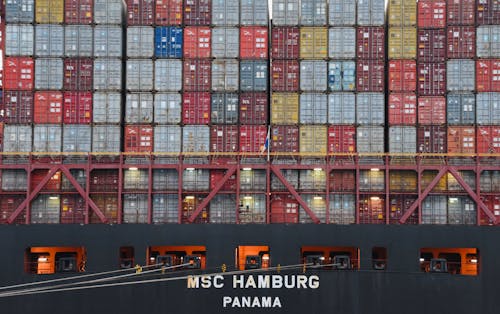
Stanford’s economists raised this risk directly in their 2026 policy brief, and it’s worth taking seriously.
Stagflation is when inflation stays high and unemployment rises at the same time. It’s rare, it’s nasty, and it’s hard to fix because the things you do to fight inflation (raise rates) make unemployment worse, and the things you do to fight unemployment (cut rates) make inflation worse.
This isn’t the base case. Most forecasters think it’s avoidable. But the conditions for it to develop—tariff-driven price pressure plus a slowing labor market—are genuinely present in 2026. It’s a risk worth knowing about.
The dollar is strong—and that actually matters.
While most of the world’s major economies are struggling, China is managing slowing domestic demand, Russia is under sanctions pressure, and Europe is dealing with weak growth—the US dollar has stayed remarkably strong.
That matters more than people realize. A strong dollar draws international capital into US assets—stocks, bonds, real estate, and businesses. It reinforces America’s financial dominance at a time when rivals have been loudly predicting its decline. For 2026, this dynamic acts as a quiet but meaningful tailwind.
The Midterm Elections Are a Factor Too
This doesn’t show up in economic models, but it absolutely shapes policy decisions.
Midterms are in November 2026. Republicans hold a razor-thin majority in both chambers of Congress. President Trump has enormous political incentive to make sure the economy looks and feels good before Americans vote.
History shows that presidents facing midterms push hard for policies with visible short-term economic impact. Expect continued pressure for lower interest rates, more deregulation, and consumer-friendly announcements in the months leading up to November. That political calendar is, quietly, a pro-growth force for the second half of the year.
So, Is the Boom Real?
Here’s my take after going through all of this.
The US economy in 2026 is in better shape than the doom crowd says—and in more complicated shape than the White House admits. The tax cuts are real. The rate cuts are coming. AI investment is genuinely boosting growth. The dollar is strong. The rebound from the government shutdown adds a mechanical boost to early-year numbers.
At the same time, consumers are rattled. Tariffs are still pushing prices up. The job market is softer than it looks. And there’s a non-trivial risk that inflation and unemployment both stay elevated longer than forecasters expect.
The honest answer is this is probably a solid 2.2–2.8% growth year, not a 6% boom. For most households, that will feel better than 2025 — but it won’t feel like prosperity arrived overnight.
A boom makes for a better headline. Steady, real, complicated progress is what’s actually happening.
The people saying there’s no growth are wrong. The people saying it’s the greatest economy in history are also wrong. The truth—as usual—is somewhere in the middle, and it’s actually worth understanding.
HERE’S WHAT YOU HAVE TO KNOW?
| What | The Number / The Reality |
| GDP Forecast (Goldman Sachs) | 2.8% full year — above Wall Street consensus |
| GDP Forecast (Deloitte) | 2.2% — more cautious, consumer slowdown risk |
| White House Prediction | 6%—independent economists strongly disagree |
| Tax Refund Boost | ~$100B extra in consumer hands in H1 2026 |
| Fed Rate Cuts Expected | 2–3 cuts starting June 2026 |
| Tariff Impact on Prices | 50%+ of tariff costs passed to consumers |
| Consumer Confidence Index | 84.5 in Jan 2026 — down sharply from 94.2 in Dec 2025 |
| Jobs Needed to Stay Stable | 30,000–50,000/month (was 125,000+ pre-2024) |
| Stagflation Risk | Real but not the base case—watch carefully |
| US Dollar Strength | A strong vs. most major currencies attracts global capital |

“Hey, I’m Vishal Srivastava — the person behind USAConcern.com. I started this site because I genuinely believe there are conversations happening in America that deserve more honest, human coverage. I write about health, mental wellness, lifestyle, and the cultural shifts shaping everyday American life. No corporate agenda. No fluff. Just real stories, real research, and my honest take on what it all means. Thanks for reading — it means more than you know.”