
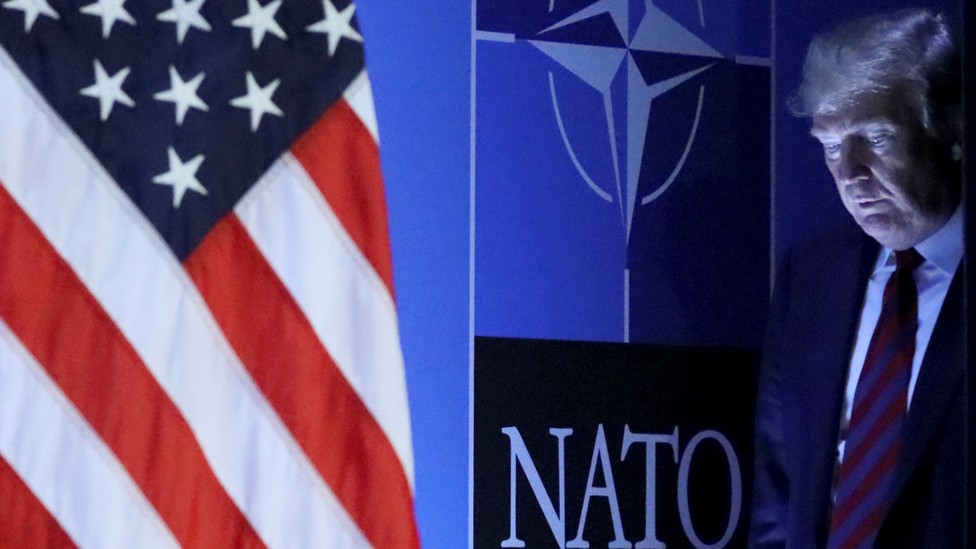
As of January 2026, one year into Donald Trump’s second term, the relationship between the United States and its NATO allies is characterized by extreme tension, dominated by aggressive new financial demands and a major diplomatic crisis regarding Greenland.
The alliance has shifted from a traditional collective defense pact to a highly transactional relationship. Here is the current state of affairs:
1. The “Greenland Crisis”
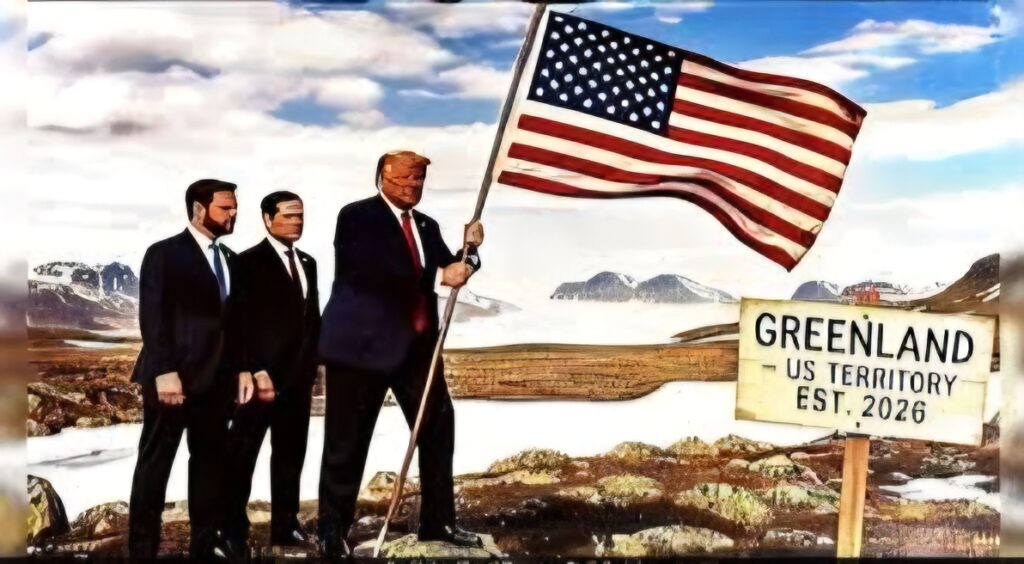
The most immediate source of friction is President Trump’s renewed and intensified push to acquire Greenland, an autonomous territory of Denmark (a NATO founder).
- The Demand: Unlike his first term, the administration has moved beyond rhetoric, with Trump explicitly stating that the U.S. needs the territory for “security purposes” to counter Russian and Chinese influence in the Arctic.
- coercive Measures: The administration has threatened—and in some cases initiated—punitive tariffs on European allies who oppose the acquisition.
- Military Rhetoric: Tensions spiked in January 2026 when Trump refused to strictly rule out the use of force to acquire the territory, though he later offered contradictory assurances at the World Economic Forum in Davos.
- Impact: This has caused a diplomatic rupture with Denmark and the EU, with European leaders scrambling to present a united front against what they view as a violation of sovereignty between allies.
2. The New 5% Spending Target
The long-standing debate over defense spending has escalated dramatically.
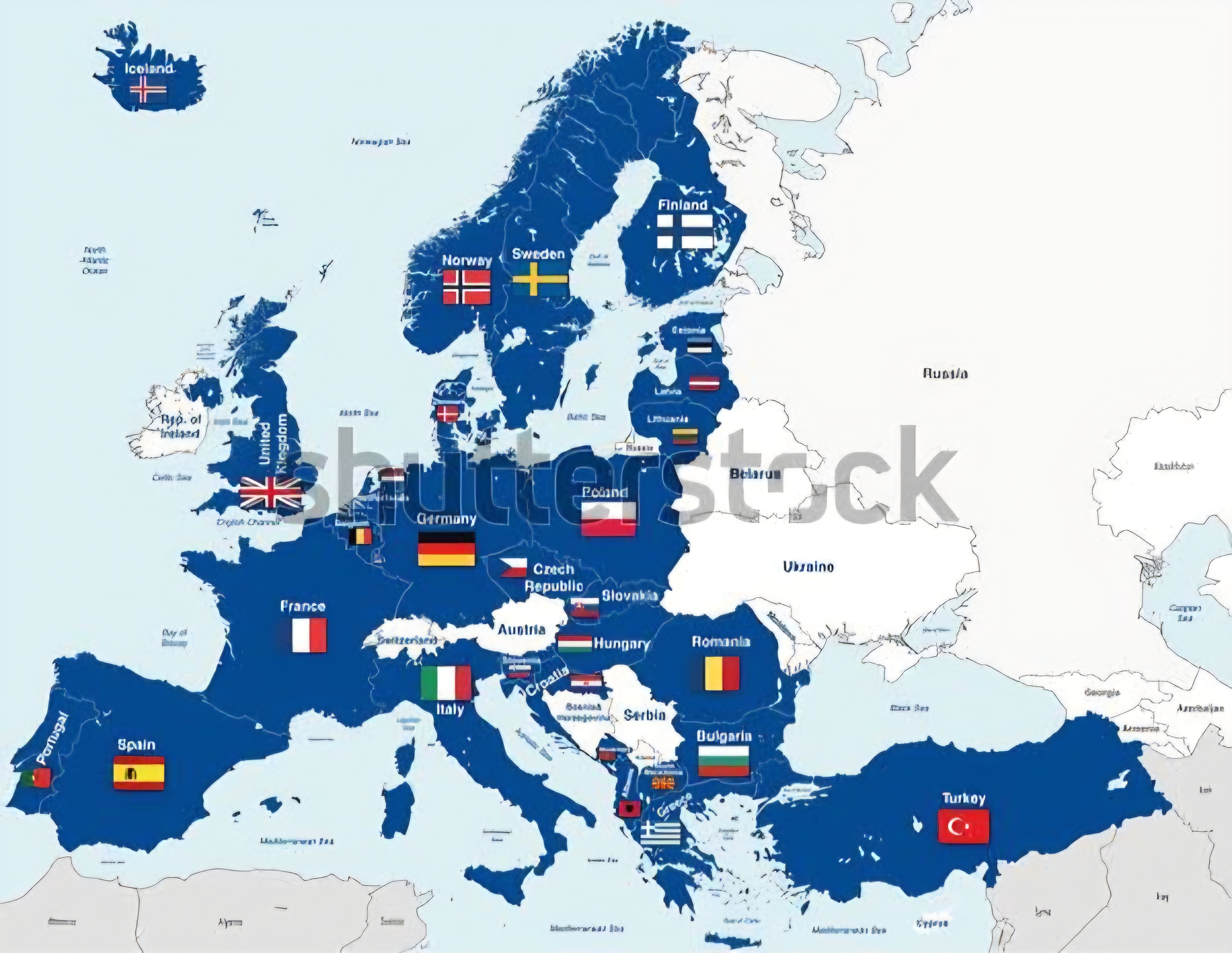
- The Agreement: In mid-2025 (at the NATO Summit in The Hague), under intense U.S. pressure, NATO allies agreed to a new target of spending 5% of their GDP on defense over the next decade.
- The Consequence: This is more than double the previous 2% guideline. Trump has framed this as a massive victory, claiming he has secured over $1 trillion in new defense commitments.
- Conditionality: Trump continues to suggest that U.S. commitment to Article 5 (collective defense) is conditional on nations meeting these new financial targets.
3. Operational Pullback
Beyond the rhetoric, there are tangible signs of U.S. disengagement from the alliance’s day-to-day machinery:
- Reduced Participation: The Pentagon has reportedly moved to cut U.S. participation in various NATO advisory groups, Centers of Excellence, and intelligence-sharing bodies.
- Force Structure: There are ongoing discussions and anxieties in European capitals about potential reductions of the U.S. troop presence on the continent, as the U.S. demands Europe take “primary responsibility” for its own defense.
4. Diplomatic Atmosphere
- Public Sentiment: Approval of U.S. leadership across NATO countries has plummeted to record lows (around 21% median approval).
- Key Figures: NATO Secretary General Mark Rutte has attempted to manage the relationship by praising Trump’s success in raising defense spending, a strategy some critics describe as necessary appeasement to keep the alliance intact.
- Davos 2026: In his recent appearance at Davos (Jan 2026), Trump reiterated that the U.S. gets “very little” from NATO compared to what it gives, maintaining his view of the alliance as a financial burden rather than a strategic asset.
Summary of Key Differences (1st Term vs. 2nd Term)
| Feature | First Term (2017-2021) | Second Term (Current, Jan 2026) |
|---|---|---|
| Spending Target | Pushed for 2% of GDP | Secured agreement for 5% of GDP |
| Commitment | Questioned Article 5 value | Made Article 5 explicitly conditional |
| Territorial Disputes | Floated buying Greenland (mocked) | Demanding Greenland (crisis level) |
| U.S. Role | Reluctant leader | Active disengagement / Transactional |
Key Figures & Events
- Mark Rutte (NATO Secretary General managing the crisis)
- The Hague Summit 2025 (Where the 5% target was agreed/imposed)
- Davos 2026 (Site of recent escalatory rhetoric)
- Mette Frederiksen (Implied key figure as PM of Denmark during the Greenland dispute)
Strategic Concepts
- Operational Pullback (U.S. withdrawing from advisory/support roles)
- Sovereignty Violation (European framing of the Greenland demand)
- Burden Sharing (The core U.S. grievance)
- Arctic Security (The strategic justification for the Greenland purchase)
- Fortress America (The perceived end-goal of U.S. isolationism)