
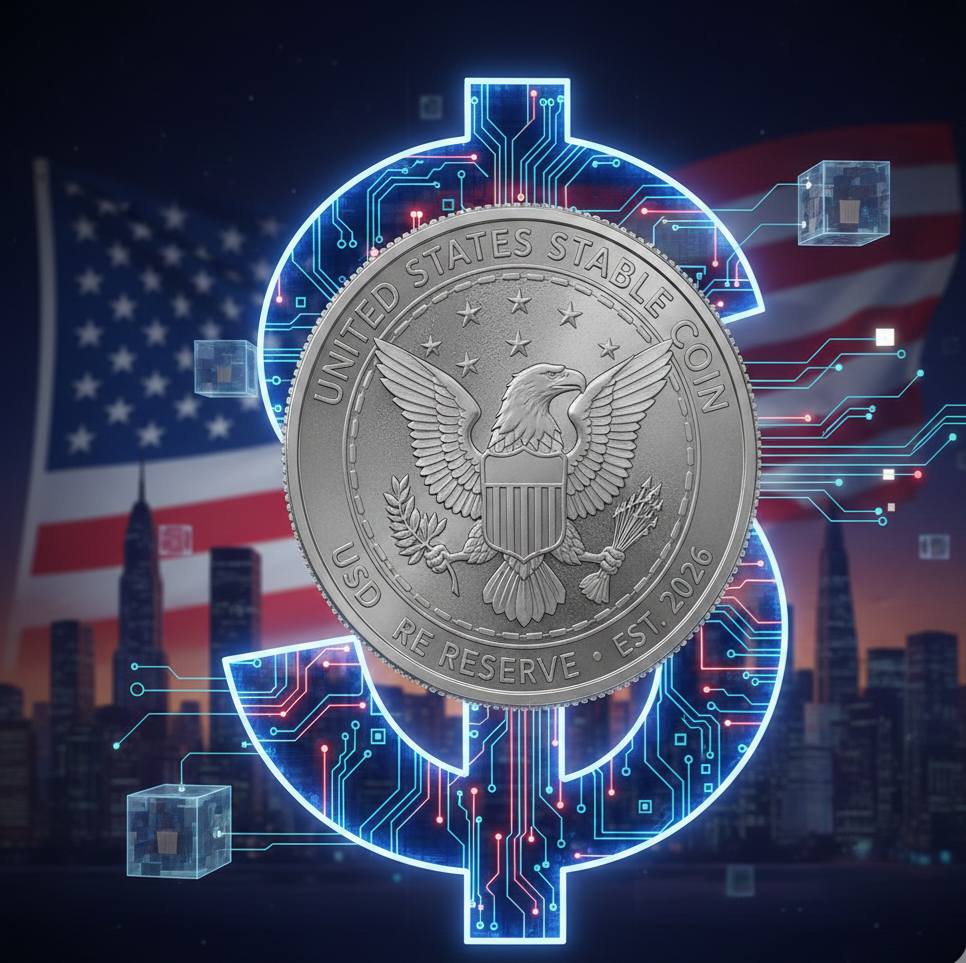
Stablecoins in the USA have become a mainstream part of digital finance by 2026, with federal regulation (the GENIUS Act) providing clarity and making them widely used for payments, remittances, and cross-border trade. The U.S. stablecoin market now supports trillions in annual transactions, rivaling traditional card networks.
What Are Stablecoins?
●Definition: Cryptocurrencies designed to maintain a stable value, usually pegged to the U.S. dollar (USD).
●Purpose: Reduce volatility compared to Bitcoin or Ethereum, making them useful for everyday transactions.
Types:
●Algorithmic: Use supply-demand mechanisms (less common after past failures).
●Fiat-backed: Backed 1:1 by reserves (e.g., USDC, PayPal USD).
●Crypto-backed: Collateralized by other digital assets.
Current Landscape in the USA (2026)
•Market Size: Stablecoins are now a $314 billion asset class, with $1.25 trillion monthly transaction volume.
•Regulation:
- GENIUS Act (U.S.): Provides federal clarity on issuance, reserves, and consumer protection.
- MiCA (EU): Parallel framework in Europe, ensuring global interoperability.
•Adoption: Used not just for crypto trading but also for payments, remittances, DeFi, and tokenized assets.
•Institutional Involvement: Banks and fintechs now issue regulated “bank-grade” stablecoins, while offshore tokens remain in circulation.
Benefits
•Fast & Cheap Transfers: Cross-border payments settle in seconds.
•Financial Inclusion: Easier access for people without traditional bank accounts.
•Integration with Finance: Used in Visa/Mastercard-level transaction volumes.
•Stability: Pegged to USD, avoiding crypto volatility.
Risks & Challenges
Regulatory Compliance: Stricter rules may limit innovation.
Reserve Transparency: Ensuring issuers hold sufficient backing assets.
Competition: Central Bank Digital Currency (CBDC) could challenge private stablecoins.
Offshore Tokens: Less regulated coins may pose systemic risks.
Stablecoins in the USA are now a regulated, mainstream financial tool—powering trillions in payments, bridging crypto and traditional finance, and reshaping how money moves globally.