
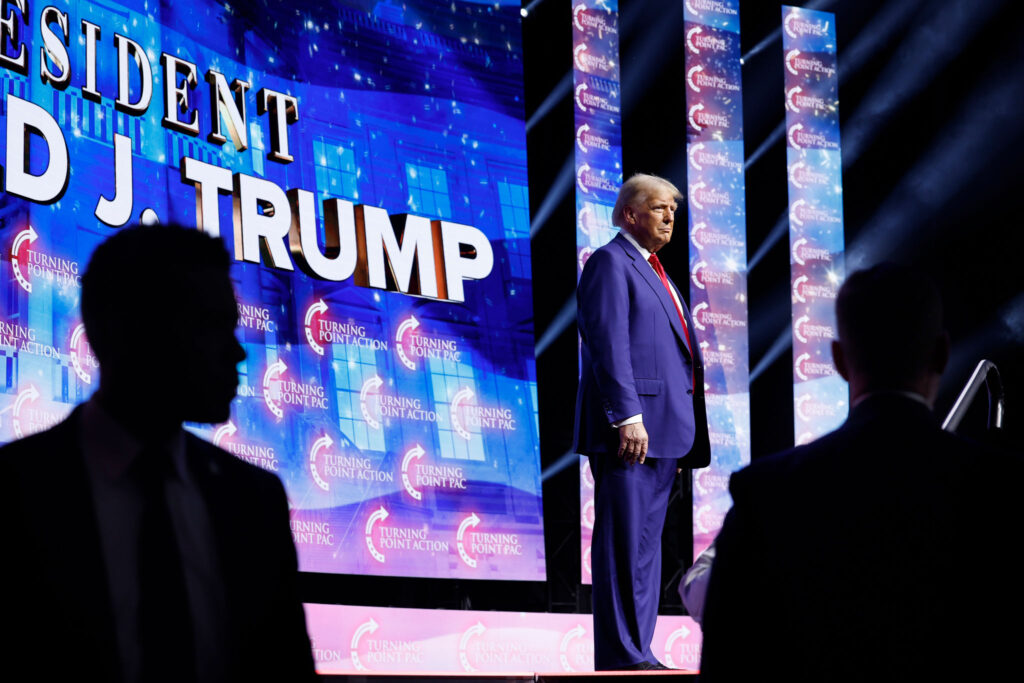
Aggression as Strategy-Aggressive politics has become one of the most recognizable features of Donald Trump’s public life. From fiery speeches and sharp social media posts to direct attacks on opponents and institutions, Trump’s political approach consistently leans toward confrontation rather than compromise. While critics often describe this style as divisive, supporters see it as bold and necessary. To understand why Trump continues to play aggressive politics, it’s important to look beyond personality and examine the deeper political, social, and media-driven factors shaping this new strategy.
A Political Brand Built on Confrontation
Trump entered politics as a non-traditional candidate, and aggression quickly became part of his political identity. Unlike conventional politicians who rely on cautious language and policy-heavy messaging, Trump adopted a blunt, direct style. This approach helped him stand out in a crowded political field and positioned him as an outsider willing to challenge the status quo. Aggression, in this sense, became branding—a way to signal that he was not bound by traditional political norms.
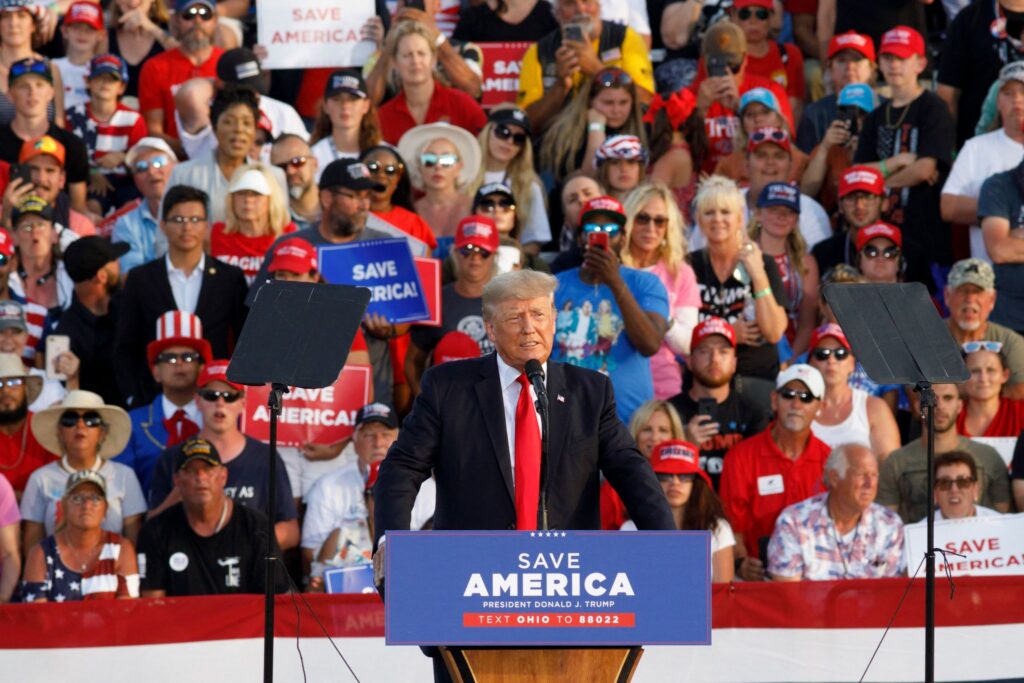
The former president, who has been booted from social media platforms and faces multiple legal woes, has flirted with his own potential candidacy in 2024, but in the 90-minute address at a fair grounds in Ohio he made no clear mention of his political future, even when the crowd chanted “four more years! four more years!” (Photo by STEPHEN ZENNER / AFP)
For many voters, this confrontational tone felt refreshing. It conveyed authenticity and strength in a political environment often criticized for scripted speeches and vague promises. By continuing this aggressive approach, Trump reinforces the same identity that first brought him national political success.
Energizing and Protecting a Loyal Voter Base
One of the primary reasons Trump maintains aggressive politics is its effectiveness in mobilizing his core supporters. His base responds strongly to language that frames politics as a battle between ordinary citizens and powerful elites. Aggressive rhetoric reinforces an “us versus them” narrative, which deepens emotional connection and political loyalty.
This strategy also discourages disengagement. Supporters who feel under constant threat—whether from political opponents, media criticism, or legal challenges—are more likely to remain active, donate, attend rallies, and vote. In this way, aggression acts as both motivation and protection, keeping the base unified and politically alert.
Media Attention in the Digital Age
Modern politics is inseparable from the media ecosystem, and aggressive messaging thrives in it. Social media platforms, cable news, and online publications reward controversy with clicks, shares, and airtime. Trump understands this dynamic well. Strong language, sharp accusations, and dramatic statements consistently generate headlines and viral moments.
By playing aggressive politics, Trump often sets the agenda rather than responding to it. Even negative coverage keeps him at the center of public conversation, which is a powerful advantage. In a crowded information environment, visibility can matter more than approval. From a strategic standpoint, aggression ensures relevance.
Responding to Legal and Political Pressure
Another significant factor behind Trump’s aggressive stance is the pressure he faces from investigations, court cases, and political opposition. Rather than adopting a defensive posture, Trump frequently goes on the offensive. He frames legal challenges as politically motivated attacks and presents himself as a target because he threatens entrenched power structures.
This narrative transforms personal or political difficulties into rallying points. Aggressive messaging allows Trump to maintain control of the story and shape public perception. For supporters, this reinforces the belief that criticism confirms his effectiveness rather than undermines it.
Negotiation and Power Dynamics
Aggressive politics also reflects Trump’s long-standing approach to negotiation. In both business and politics, he favors starting from a strong, uncompromising position. By applying pressure early, he shifts the balance of power and forces others to react.
This strategy can influence policy debates as well. When Trump adopts an extreme stance, it often moves the center of discussion closer to his position. Even if compromises occur later, the final outcome may still reflect his original priorities. Aggression, in this sense, becomes a tool to shape outcomes rather than merely provoke conflict.
A Reflection of Political Polarization
Trump’s aggressive politics does not exist in isolation—it mirrors broader trends in American society. Political polarization has intensified over the past decade, with declining trust in institutions, media, and traditional leadership. Voters increasingly align with politicians who express certainty, strength, and emotional conviction.
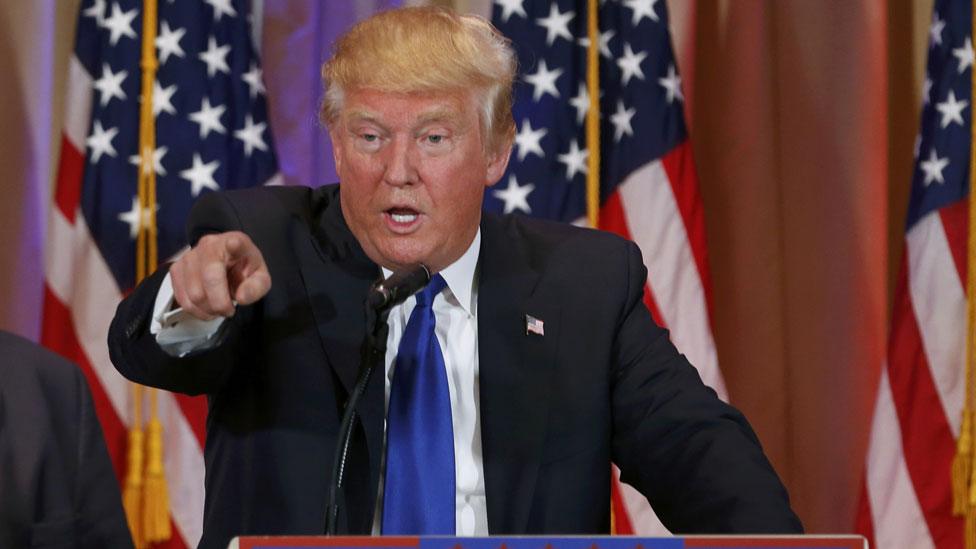
In such an environment, calm consensus-building can appear ineffective or disconnected from public frustration. Trump’s style resonates with voters who feel anger, anxiety, or disillusionment. His aggression channels these emotions into political engagement, turning dissatisfaction into support.
Differentiation in a Competitive Landscape
Another reason Trump continues to play aggressive politics is differentiation. In a political landscape filled with familiar faces and similar talking points, standing out is essential. Trump’s confrontational tone makes him instantly recognizable and difficult to ignore.
This differentiation helps maintain influence even outside of office. His statements regularly shape public debates, influence party dynamics, and impact media narratives. Aggressive politics ensures that his voice remains dominant within political conversations.
Risks and Long-Term Consequences
While aggressive politics offers clear advantages, it also carries risks. Constant confrontation can deepen divisions, alienate undecided voters, and reduce opportunities for bipartisan cooperation. It may also exhaust parts of the electorate who prefer stability and unity.
However, Trump appears willing to accept these risks in exchange for sustained influence and loyalty. His strategy prioritizes intensity over expansion, focusing on maximizing turnout and commitment among supporters rather than broad consensus.
The Role of Public Perception
Public perception plays a crucial role in shaping Trump’s continued aggression. For supporters, his style symbolizes resistance and strength. For critics, it represents instability and division. This sharp contrast ensures strong reactions on both sides, which keeps him politically relevant.
In many ways, aggressive politics has become self-reinforcing. The more attention it generates, the more effective it becomes as a strategy. Trump’s awareness of this cycle helps explain why he shows little interest in adopting a softer tone.
Conclusion
Trump’s aggressive politics is not merely a personal trait—it is a deliberate, calculated strategy shaped by modern media, political polarization, and the demands of maintaining influence in a highly competitive environment. It energizes supporters, dominates news cycles, reframes challenges, and differentiates him from traditional politicians.
Whether one views this approach as effective leadership or harmful division, its impact on American politics is undeniable. As long as aggression continues to deliver attention, loyalty, and power, it is likely to remain a central feature of Trump’s political playbook.