
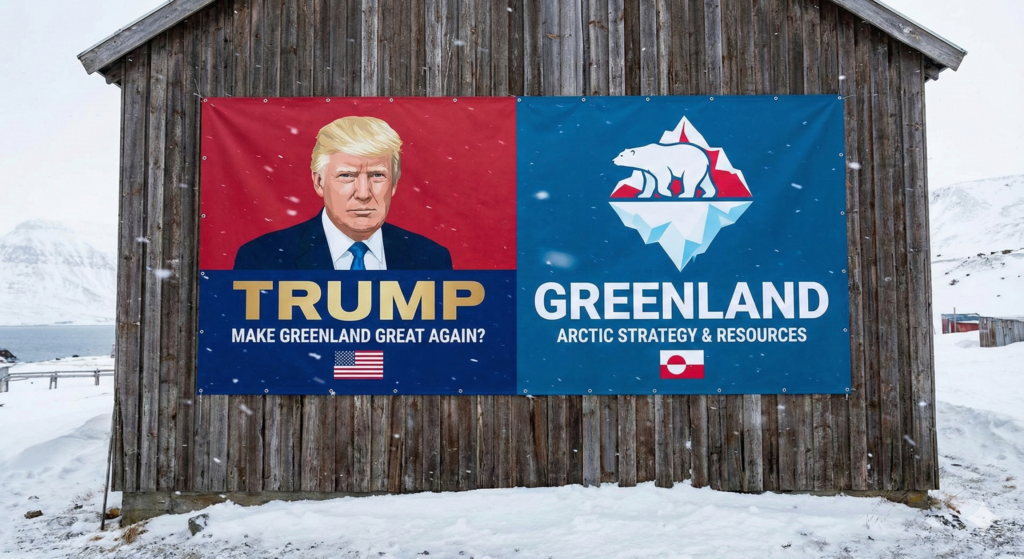
Donald Trump’s interest in Greenland is driven by three main factors: national security strategy, resource competition, and legacy. While the idea was widely discussed in 2019, it has remained a consistent geopolitical goal for his administration due to the island’s immense value.
Here is a breakdown of why he wants it:
1. Strategic Military Dominance (The “Arctic Buffer”)
The primary driver is national security. Greenland acts as a massive “stationary aircraft carrier” in the Arctic.
- Pituffik Space Base: The U.S. already operates this critical base (formerly Thule Air Base) in northern Greenland. It is vital for missile warning systems, space surveillance, and tracking potential threats from Russia or China over the Arctic.
- The GIUK Gap: Controlling Greenland helps secure the “GIUK Gap” (Greenland-Iceland-UK), a key naval chokepoint. Control here allows the U.S. to monitor Russian submarines entering the Atlantic.
- Missile Defense: The Arctic is the shortest route for missiles traveling between major adversaries and North America. Full control of the island would allow the U.S. to expand its sensor and interceptor networks significantly.
2. Rare Earth Minerals & Economic War
Greenland holds some of the world’s largest undeveloped deposits of rare earth metals (neodymium, dysprosium, etc.), which are essential for:
- Fighter jets and guidance systems.
- Electric vehicle batteries.
- Smartphones and computer chips.
Currently, China dominates the global supply chain for these minerals. By acquiring Greenland, the U.S. would secure its own supply chain, breaking dependence on Chinese exports and preventing China from gaining a foothold in the Arctic (which Beijing calls the “Polar Silk Road”).
3. The “Ultimate Real Estate Deal”
Trump views the acquisition through the lens of a real estate developer. He has compared it to the Louisiana Purchase or the purchase of Alaska, viewing it as a legacy-defining expansion of American territory.
- Resources: Beyond minerals, the melting ice sheet is making vast oil, gas, and fresh water reserves more accessible.
- Legacy: Adding a territory larger than Mexico to the U.S. would historically place him alongside presidents like Thomas Jefferson and Andrew Johnson who expanded the nation’s borders.
Summary of the “Deal”
From Trump’s perspective, Greenland is a strategic asset that is “under-utilized” and expensive for Denmark to maintain (costing them hundreds of millions in subsidies annually), but which would be invaluable to the United States for projecting power in the Arctic
Fact related to Greenland
Greenland is a place of extremes: it is the world’s largest non-continental island, yet it has one of the smallest populations. It is geographically part of North America but politically and culturally tied to Europe (specifically Denmark).
Here is an overview of the country’s key aspects.
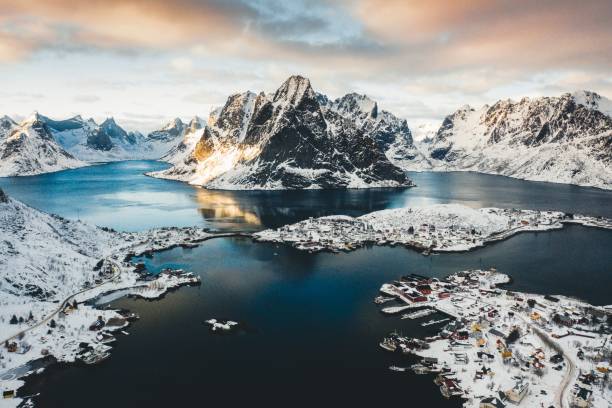
1. Geography & Climate
- The Ice Sheet: Approximately 80% of Greenland is covered by the Greenland Ice Sheet, which is up to 3 km (1.9 miles) thick in places. If it were to melt entirely, global sea levels would rise significantly.
- Habitable Zone: The population lives exclusively along the rocky, ice-free coastline, primarily on the southwest coast where the climate is milder.
- Climate: It is an Arctic environment. Winters are severe, and summers are cool (averaging around 10°C / 50°F in the capital).
- ** Midnight Sun & Polar Night:** Above the Arctic Circle, the sun does not set for weeks in summer (Midnight Sun) and does not rise for weeks in winter (Polar Night).
2. Political Status
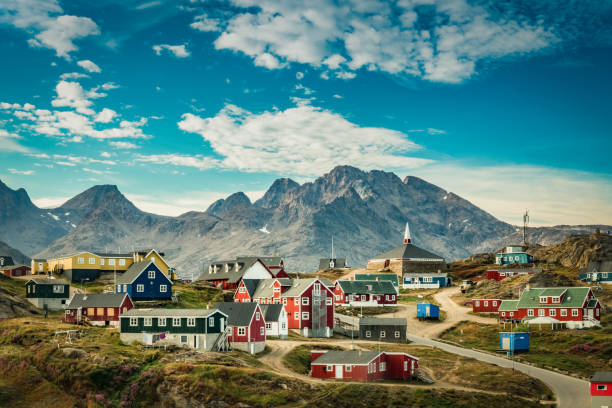
- Relation to Denmark: Greenland is an autonomous territory within the Kingdom of Denmark.
- Self-Rule: Since the 2009 Self-Government Act, Greenlanders are recognized as a distinct people under international law. The local government (Naalakkersuisut) manages almost all domestic affairs (police, courts, natural resources), while Denmark retains control over foreign policy, defense, and currency (the Danish Krone).
- Geopolitics: Due to its strategic location in the Arctic and vast untapped mineral resources (including rare earth metals), Greenland has become a focal point of increasing international geopolitical interest.
3. Population & Culture
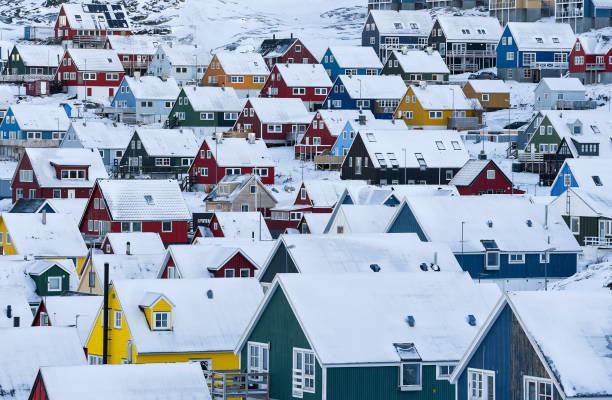
- Demographics: The population is roughly 57,000. About 90% of the population is Greenlandic Inuit, with the remainder primarily Danish.
- Capital: Nuuk is the capital and largest city, housing nearly one-third of the country’s population. It is a modern city with a university, cultural centers, and gourmet restaurants.
- Language: The official language is Greenlandic (Kalaallisut), an Inuit language. Danish is also widely spoken and used in administration.
- Tradition: Traditional Inuit culture remains strong, including dog sledding, kayaking (a word of Greenlandic origin), and hunting.
4. Economy
Greenland’s economy is small and relies heavily on three pillars:
- Fishing: The dominant industry, accounting for the vast majority of exports (shrimp and halibut).
- The Block Grant: An annual subsidy from Denmark that funds a significant portion of the government budget.
- Emerging Sectors: There is a strong push to develop tourism and mining to gain economic independence. The country holds significant deposits of gold, rubies, uranium, and rare earth elements.
5. Tourism & Travel Highlights
Greenland is an adventure destination known for its raw, untouched nature. There are no roads connecting towns; travel is done by plane, helicopter, or boat.
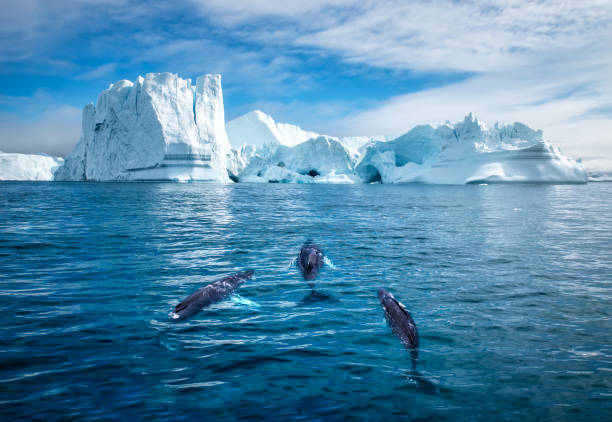
- Ilulissat Icefjord: A UNESCO World Heritage site where the massive Sermeq Kujalleq glacier calves giant icebergs into the sea.
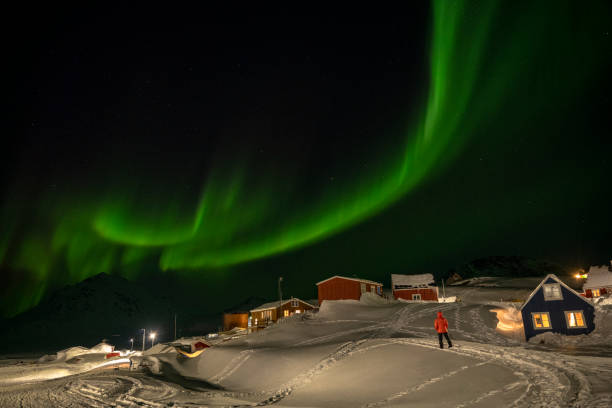
- Northern Lights (Aurora Borealis): Visible from September to April.
- Wildlife: Home to polar bears (mostly in the North/East), musk oxen, whales (humpback, fin, minke), and reindeer.
- Kujataa: A sub-Arctic farming landscape in the south that showcases Norse (Viking) history alongside Inuit farming traditions.