
By Vishal Srivastava | usaconcern.com, published on April 2, 2026

My uncle called me two weeks ago. 58 years old. Union job in Ohio. Owns his home — or he did, before rates shot up and the HELOC he took out to fix the roof started eating him alive.
He said: “Vishal, I’ve been doing everything right for thirty years. And I feel like I’m losing.”
He didn’t call to ask for money. He called because he needed someone to tell him he wasn’t crazy.
He isn’t. And I’m tired of articles that bury that truth under careful hedging.
The financial floor is cracking under the American middle class right now. Not metaphorically. In actual, audited numbers. The data from the last four weeks alone is some of the most alarming I’ve had to sit with.
Let me walk you through it.
The Month That Should Have Made Healine
Usaconcern finance blog v3 · MD
Copy
━━━━━━━━━━━━━━━━━━━━━━━━━━━━━━━━━━━━━━━━━━━━━━ META TITLE: America’s Debt Reckoning Is Here. And Nobody in Power Is Being Honest About It.
META DESCRIPTION: Credit card debt just hit $1.3 trillion. 111 million Americans can’t pay their card bills. Families paid $1,745 each in tariff costs last year — and $368 million more in credit card interest every single day. This isn’t a personal finance problem. It’s a structural collapse in slow motion — and here’s exactly what the numbers say.
CATEGORY: Personal Finance & Cost of Living AUTHOR: Vishal Srivastava DATE: March 31, 2026 READ TIME: ~22 min
PHOTO PLACEMENTS (4 total): → FEATURE PHOTO: Stressed family at kitchen table surrounded by bills and credit cards → PHOTO 2: After “The $368 Million a Day Problem” section — person checking grocery receipt, worried → PHOTO 3: After “The 401(k) Has Become America’s Emergency Fund” — older worker looking at retirement paperwork → PHOTO 4: Inside “My Opinion” section — empty wallet on kitchen counter, bills in background ━━━━━━━━━━━━━━━━━━━━━━━━━━━━━━━━━━━━━━━━━━━━━━
America’s Debt Reckoning Is Here. And Nobody in Power Is Being Honest About It.
My uncle called me two weeks ago. 58 years old. Union job in Ohio. Owns his home — or he did, before rates shot up and the HELOC he took out to fix the roof started eating him alive.
He said: “Vishal, I’ve been doing everything right for thirty years. And I feel like I’m losing.”
He didn’t call to ask for money. He called because he needed someone to tell him he wasn’t crazy.
He isn’t. And I’m tired of articles that bury that truth under careful hedging.
The financial floor is cracking under the American middle class right now. Not metaphorically. In actual, audited numbers. The data from the last four weeks alone is some of the most alarming I’ve had to sit with.
Let me walk you through it.
The Month That Should Have Made Headlines
Three things happened in March 2026 that nobody is putting together in one frame.
First. On March 17, The Century Foundation and Protect Borrowers released a joint analysis: roughly 111 million Americans — half of all active credit card holders, 40% of the entire adult population — cannot pay their credit card bills in full each month. That’s up 17% from five years ago. CBS News covered it on March 25. Most people still haven’t seen it.
Second. A Debt.com survey the same week: 55% of U.S. adults are now using credit cards as a primary financial lifeline to cover groceries, rent, and utilities. Not vacations. Groceries. Americans carrying $10,000 or more in credit card debt jumped from 23% to 29% in a single year — the largest year-over-year spike in three years.
Third. Vanguard’s How America Saves 2026 report: a record 6% of 401(k) participants made hardship withdrawals last year. Up from 4.8%. Triple the pre-pandemic rate. The top reason? To avoid eviction or foreclosure. Second most common? Medical bills.
Three institutions. Same month. Same story.
The American household isn’t just stressed. It is in active financial retreat — liquidating the future to survive the present.
The $368 Million a Day Problem
Usaconcern finance blog v3 · MD
Copy
━━━━━━━━━━━━━━━━━━━━━━━━━━━━━━━━━━━━━━━━━━━━━━ META TITLE: America’s Debt Reckoning Is Here. And Nobody in Power Is Being Honest About It.
META DESCRIPTION: Credit card debt just hit $1.3 trillion. 111 million Americans can’t pay their card bills. Families paid $1,745 each in tariff costs last year — and $368 million more in credit card interest every single day. This isn’t a personal finance problem. It’s a structural collapse in slow motion — and here’s exactly what the numbers say.
CATEGORY: Personal Finance & Cost of Living AUTHOR: Vishal Srivastava DATE: March 31, 2026 READ TIME: ~22 min
PHOTO PLACEMENTS (4 total): → FEATURE PHOTO: Stressed family at kitchen table surrounded by bills and credit cards → PHOTO 2: After “The $368 Million a Day Problem” section — person checking grocery receipt, worried → PHOTO 3: After “The 401(k) Has Become America’s Emergency Fund” — older worker looking at retirement paperwork → PHOTO 4: Inside “My Opinion” section — empty wallet on kitchen counter, bills in background ━━━━━━━━━━━━━━━━━━━━━━━━━━━━━━━━━━━━━━━━━━━━━━
America’s Debt Reckoning Is Here. And Nobody in Power Is Being Honest About It.
My uncle called me two weeks ago. 58 years old. Union job in Ohio. Owns his home — or he did, before rates shot up and the HELOC he took out to fix the roof started eating him alive.
He said: “Vishal, I’ve been doing everything right for thirty years. And I feel like I’m losing.”
He didn’t call to ask for money. He called because he needed someone to tell him he wasn’t crazy.
He isn’t. And I’m tired of articles that bury that truth under careful hedging.
The financial floor is cracking under the American middle class right now. Not metaphorically. In actual, audited numbers. The data from the last four weeks alone is some of the most alarming I’ve had to sit with.
Let me walk you through it.
The Month That Should Have Made Headlines
Three things happened in March 2026 that nobody is putting together in one frame.
First. On March 17, The Century Foundation and Protect Borrowers released a joint analysis: roughly 111 million Americans — half of all active credit card holders, 40% of the entire adult population — cannot pay their credit card bills in full each month. That’s up 17% from five years ago. CBS News covered it on March 25. Most people still haven’t seen it.
Second. A Debt.com survey the same week: 55% of U.S. adults are now using credit cards as a primary financial lifeline to cover groceries, rent, and utilities. Not vacations. Groceries. Americans carrying $10,000 or more in credit card debt jumped from 23% to 29% in a single year — the largest year-over-year spike in three years.
Third. Vanguard’s How America Saves 2026 report: a record 6% of 401(k) participants made hardship withdrawals last year. Up from 4.8%. Triple the pre-pandemic rate. The top reason? To avoid eviction or foreclosure. Second most common? Medical bills.
Three institutions. Same month. Same story.
The American household isn’t just stressed. It is in active financial retreat — liquidating the future to survive the present.
The $368 Million a Day Problem
Hold onto this number: $368 million.
That’s what American families accrue in credit card interest every single day, according to the Century Foundation. Every day that passes without a federal interest rate cap — a cap Trump promised on January 20 and still hasn’t delivered — that’s the bill.
The average credit card rate is now 23.7%, per LendingTree. Forty-one percent of cardholders carry balances at APRs above 21%, up from 33% a year ago. And 22% of people with card debt don’t even know their current rate. When you’re being charged above 24%, that ignorance compounds fast.
Since 2010, Americans have paid a cumulative $2.1 trillion in credit card interest. More than the total outstanding student debt balance in this country. Every dollar of it went to bank profit. None of it built equity. None of it paid for anyone’s retirement. It was just the cost of treading water.
Since Trump took office in early 2025, Americans have paid $134.5 billion more than they would have under a 10% rate cap. In one year. Extracted from working people. Handed to banks.
And the banks are doing fine. The Trump administration greenlit the Capital One-Discover merger in 2025 — creating the largest subprime credit card issuer in the world. It also handed what the Century Foundation calls “corporate pardons” to Capital One, JPMorgan, Bank of America, and Wells Fargo, returning billions in fines to the same institutions that consumer advocates say built a business model on keeping Americans in debt.
I’ll say this carefully: I’m not claiming this is malicious by design. But when 111 million people can’t get out from under, when the interest clock runs at $368 million a day — at some point the result is the same whether the intent was predatory or not.
What $1,745 Looks Like at the Checkout Line
Usaconcern finance blog v3 · MD
Copy
━━━━━━━━━━━━━━━━━━━━━━━━━━━━━━━━━━━━━━━━━━━━━━ META TITLE: America’s Debt Reckoning Is Here. And Nobody in Power Is Being Honest About It.
META DESCRIPTION: Credit card debt just hit $1.3 trillion. 111 million Americans can’t pay their card bills. Families paid $1,745 each in tariff costs last year — and $368 million more in credit card interest every single day. This isn’t a personal finance problem. It’s a structural collapse in slow motion — and here’s exactly what the numbers say.
CATEGORY: Personal Finance & Cost of Living AUTHOR: Vishal Srivastava DATE: March 31, 2026 READ TIME: ~22 min
PHOTO PLACEMENTS (4 total): → FEATURE PHOTO: Stressed family at kitchen table surrounded by bills and credit cards → PHOTO 2: After “The $368 Million a Day Problem” section — person checking grocery receipt, worried → PHOTO 3: After “The 401(k) Has Become America’s Emergency Fund” — older worker looking at retirement paperwork → PHOTO 4: Inside “My Opinion” section — empty wallet on kitchen counter, bills in background ━━━━━━━━━━━━━━━━━━━━━━━━━━━━━━━━━━━━━━━━━━━━━━
America’s Debt Reckoning Is Here. And Nobody in Power Is Being Honest About It.
My uncle called me two weeks ago. 58 years old. Union job in Ohio. Owns his home — or he did, before rates shot up and the HELOC he took out to fix the roof started eating him alive.
He said: “Vishal, I’ve been doing everything right for thirty years. And I feel like I’m losing.”
He didn’t call to ask for money. He called because he needed someone to tell him he wasn’t crazy.
He isn’t. And I’m tired of articles that bury that truth under careful hedging.
The financial floor is cracking under the American middle class right now. Not metaphorically. In actual, audited numbers. The data from the last four weeks alone is some of the most alarming I’ve had to sit with.
Let me walk you through it.
The Month That Should Have Made Headlines
Three things happened in March 2026 that nobody is putting together in one frame.
First. On March 17, The Century Foundation and Protect Borrowers released a joint analysis: roughly 111 million Americans — half of all active credit card holders, 40% of the entire adult population — cannot pay their credit card bills in full each month. That’s up 17% from five years ago. CBS News covered it on March 25. Most people still haven’t seen it.
Second. A Debt.com survey the same week: 55% of U.S. adults are now using credit cards as a primary financial lifeline to cover groceries, rent, and utilities. Not vacations. Groceries. Americans carrying $10,000 or more in credit card debt jumped from 23% to 29% in a single year — the largest year-over-year spike in three years.
Third. Vanguard’s How America Saves 2026 report: a record 6% of 401(k) participants made hardship withdrawals last year. Up from 4.8%. Triple the pre-pandemic rate. The top reason? To avoid eviction or foreclosure. Second most common? Medical bills.
Three institutions. Same month. Same story.
The American household isn’t just stressed. It is in active financial retreat — liquidating the future to survive the present.
The $368 Million a Day Problem
Hold onto this number: $368 million.
That’s what American families accrue in credit card interest every single day, according to the Century Foundation. Every day that passes without a federal interest rate cap — a cap Trump promised on January 20 and still hasn’t delivered — that’s the bill.
The average credit card rate is now 23.7%, per LendingTree. Forty-one percent of cardholders carry balances at APRs above 21%, up from 33% a year ago. And 22% of people with card debt don’t even know their current rate. When you’re being charged above 24%, that ignorance compounds fast.
Since 2010, Americans have paid a cumulative $2.1 trillion in credit card interest. More than the total outstanding student debt balance in this country. Every dollar of it went to bank profit. None of it built equity. None of it paid for anyone’s retirement. It was just the cost of treading water.
Since Trump took office in early 2025, Americans have paid $134.5 billion more than they would have under a 10% rate cap. In one year. Extracted from working people. Handed to banks.
And the banks are doing fine. The Trump administration greenlit the Capital One-Discover merger in 2025 — creating the largest subprime credit card issuer in the world. It also handed what the Century Foundation calls “corporate pardons” to Capital One, JPMorgan, Bank of America, and Wells Fargo, returning billions in fines to the same institutions that consumer advocates say built a business model on keeping Americans in debt.
I’ll say this carefully: I’m not claiming this is malicious by design. But when 111 million people can’t get out from under, when the interest clock runs at $368 million a day — at some point the result is the same whether the intent was predatory or not.
What $1,745 Looks Like at the Checkout Line
[PHOTO 2 PLACEMENT]
This got quiet coverage. It deserves louder.
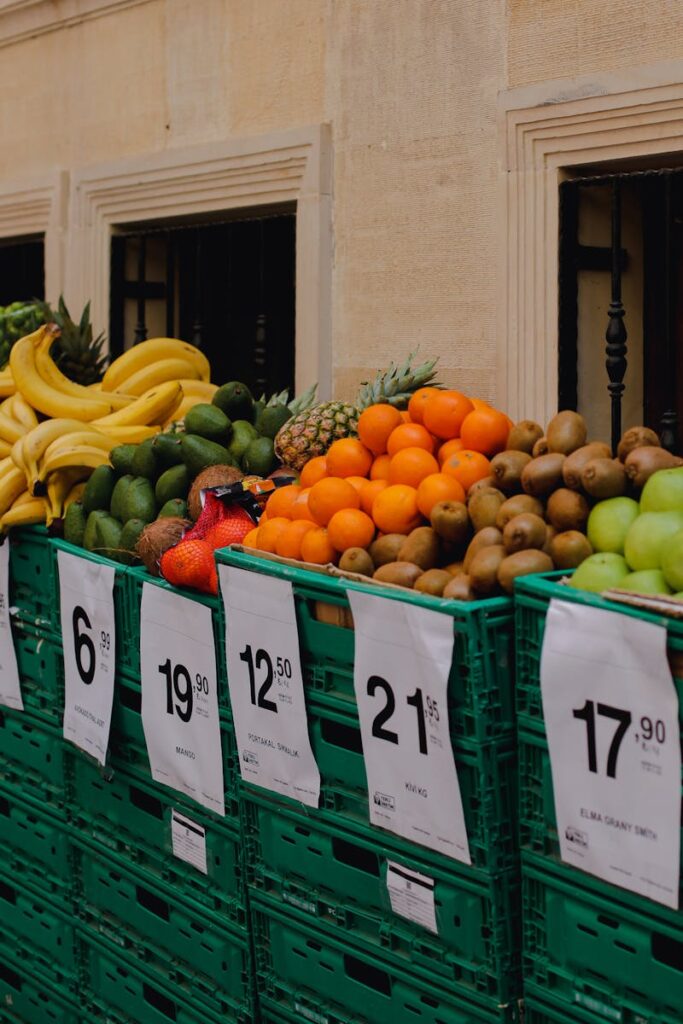
Between February 2025 and January 2026, American consumers paid more than $231 billion in tariff costs. The Joint Economic Committee puts that at roughly $1,745 per family.
Seventeen hundred and forty-five dollars. Per family. In one year. A year when those same families couldn’t pay their credit cards.
The Yale Budget Lab (March 9 analysis) puts the 2026 ongoing tariff cost at $570 per household. The Tax Foundation lands at $600. Both numbers would be higher if the Supreme Court hadn’t struck down parts of the tariff regime in February.
What’s going up at the grocery store right now? Mexico supplies 69% of U.S. vegetable imports and 51% of fresh fruit. Brazil — the world’s largest coffee producer — faces a 50% tariff. Italian pasta exporters face combined duties over 107%. Beef is up. Chicken is up. Eggs have been all over the map.
A Council on Foreign Relations bipartisan poll in January 2026 — 2,203 respondents — found 73% of Americans across party lines are worried about paying for groceries. More than 65% said tariffs had made food, healthcare, housing, and transportation less affordable.
Not a left number. Not a right number. Seventy-three percent.
Here’s the sequence nobody is saying clearly enough: Prices go up. People use credit cards to bridge the gap. Cards charge 23% interest. The gap never closes — it widens. That cycle is repeating, quietly, in 111 million households every single month.
The 401(k) Has Become America’s Emergency Fund

A hardship withdrawal from a 401(k) doesn’t sound dramatic. It should.
It means someone looked at rent coming due, or a medical bill, or an eviction notice, and decided the best option left was to crack open their retirement account. Money they’ll pay income taxes on. Money that, invested at 8.5% annually, would have been worth nearly five times as much by retirement.
Vanguard’s data: the average hardship withdrawal was $1,900. That $1,900 — left untouched for 20 years — would have grown to roughly $9,700. For someone in their 40s, the loss is even steeper.
Why are people tapping their 401(k)s? Avoiding foreclosure or eviction (36%). Medical expenses (31%). Tuition (13%). This isn’t people funding vacations. This is people trying to stay housed.
Nearly 40% of workers surveyed reported taking some form of early withdrawal, loan, or hardship distribution. Meanwhile — and this is the part that should stop you cold — the median working-age American has only saved $1,000 for retirement total, according to the National Institute on Retirement Security’s 2026 report.
One thousand dollars.
The 401(k) was built to fund retirement. For millions of Americans, it has become the last float before the fall. And once it’s gone, there’s no next option. Just debt that compounds and a future that shrinks.
The Vibecession Is Real. Here’s Why They Can’t See It from the Podium.
Official numbers: GDP growth forecast 2.3%. Unemployment 4.4%. Inflation above target but not catastrophic. On paper, the economy is fine.
Off paper: Consumer confidence fell in April 2025 to its lowest level since the start of COVID. Delinquency rates on household debt — 4.8% at the end of Q4 2025 — are now the highest since before the 2008 financial crisis. Goldman Sachs put recession odds at 45%. JP Morgan put global recession risk at 60%.
Economists call this the “vibecession” — a term coined by analyst Kyla Scanlon for the gap between what the data says and what people actually feel. Strong aggregate numbers. Quiet devastation underneath.
The K-shaped economy is the real story. The top 1% now holds nearly $54 trillion in wealth, per Federal Reserve data. And a record 6% of 401(k) participants are raiding their retirement to make rent.
Both are true at the same time.
The stock market and the pantry are living in two different countries.
My Opinion — And I’ll Put My Name on It
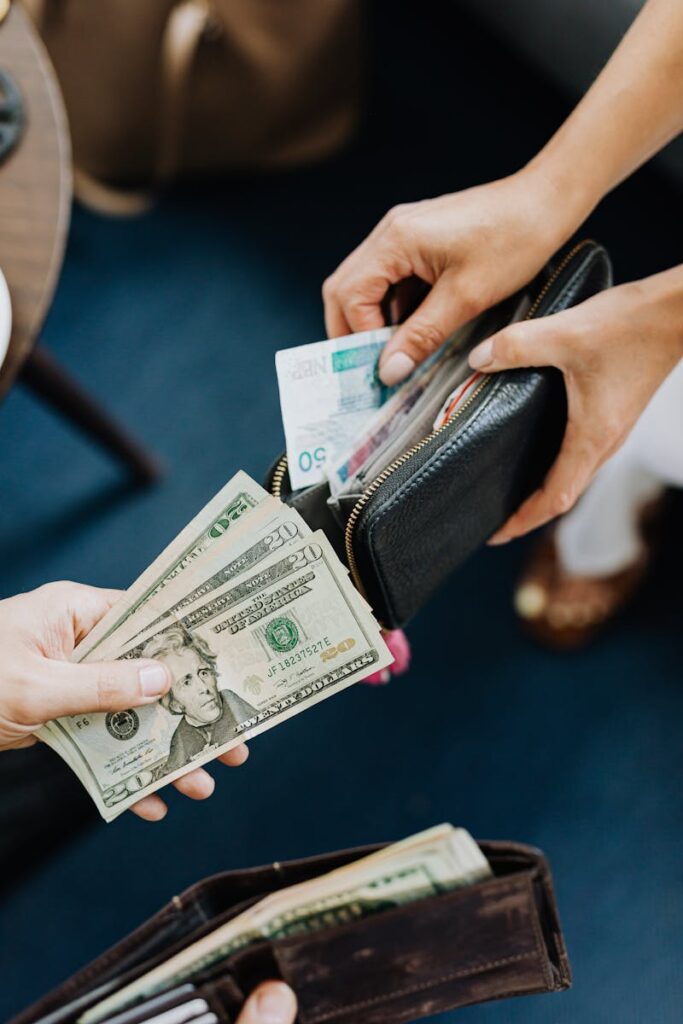
I’ve been sitting with these numbers all week. Here’s what I actually think.
We’ve been sold a story that puts the blame in the wrong place. The story: if you’re struggling, you made bad choices. You spent too much. Didn’t save enough. Didn’t hustle hard enough. It’s a clean story. And because discipline does sometimes matter — people swallowed it.
But look at what March 2026 actually says.
111 million people can’t pay their credit card bills. Not 111 irresponsible people. 111 million.
$1,745 in tariff costs per family — a cost they had no vote on and no way to avoid.
The top reason people raid their retirement accounts is to avoid eviction. Not laziness. Eviction.
The average credit card APR is 23.7% while banks have doubled their profit margins over twenty years.
When 55% of adults are using credit cards to buy food, this isn’t a budgeting problem. It’s a system where wages haven’t kept pace with costs, where debt interest is engineered for extraction, where tariffs are paid by consumers but sold as paid by foreign governments, and where every tool Americans were told would protect their future — savings, home equity, retirement — is being consumed just to make it to next month.
I’m not asking you to be angry. I’m asking you to be accurate.
The financial shame millions of people carry — the quiet humiliation of not being able to cover the month — is not deserved. It’s manufactured. It’s the thing that keeps 111 million people blaming themselves instead of asking harder questions about who benefits from this arrangement.
What Actually Matters Right Now
Not a generic list. Real things, specific to right now.
Know your exact APR on every card. On $5,000 of debt at 22%, you’re paying $1,100 a year in interest before touching the principal. If you’re on minimum payments, the balance barely moves. This is the single most important number in your household budget.
The tariff buffer is gone. Companies pre-stocked in 2025 to absorb costs. That window has closed. Higher prices on produce, coffee, electronics, and auto parts are coming in 2026 with no cushion left. If you’ve been delaying a significant purchase, the timing argument is real.
Before you tap your 401(k) — talk to someone first. Not to talk you out of it if you genuinely need it. But because options exist — a HELOC, a 0% balance transfer card, a nonprofit credit counselor — that don’t permanently erase compounding growth. Know what you’re giving up before you give it up.
The 10% credit card rate cap is a real policy debate that affects your wallet. Trump proposed it in January. It hasn’t happened. The Century Foundation calculates a 10% cap would save the average indebted American $900 a year. Whether it passes or not, this is worth watching — and your representative is worth contacting.
Student loan delinquency jumped from 0.7% to 16.19% in a single year. If you have federal loans and you’re unclear on your repayment status, that ambiguity can damage your credit in ways that affect housing, refinancing, everything. Getting clarity costs nothing.
The Call I Keep Thinking About
My uncle called back yesterday. I’d sent him the research.
He read it quietly, he said. Then sat with it a while.
“So it’s not just me.”
No. It’s not just you.
It’s not the neighbor who looks fine from the outside but is two paychecks from a spiral. It’s not the coworker who quietly asked about 401(k) loans last month. It’s not the couple in their 30s who did everything right and still can’t close on a house.
$18.8 trillion in household debt. $1.3 trillion on credit cards alone. $368 million in credit card interest every single day. 111 million people who can’t pay their balance in full. A record 6% of retirement savers liquidating their futures to cover the present. $1,745 per family in tariff costs in a single year.
That is the American economy on March 31, 2026.
Not the headline version. The version people are actually living. And it deserves to be named clearly — because the first step to changing something is refusing to pretend it isn’t happening.
If this said something you’ve been feeling but couldn’t put into words, share it. These pieces get better when real people add to them. Reach out anytime.
━━━━━━━━━━━━━━━━━━━━━━━━━━━━━━━━━━━━━━━━━━━━━━━━━━━━━━━━━━━
Sources
● CBS News, March 25, 2026 — Record Americans can’t pay credit card bills
● Century Foundation / Protect Borrowers, March 17, 2026 — 111M in revolving debt
●Debt.com 2026 Credit Card Survey, March 16, 2026 — 55% using cards as lifeline
●Vanguard “How America Saves 2026” — 6% hardship withdrawal record
●Joint Economic Committee, Feb 2026 — $1,745/family in tariff costs
●Yale Budget Lab, March 9, 2026 — $570 average household tariff cost
● CFR / Morning Consult, Jan 2026 — 73% worried about groceries
● NY Fed Household Debt Report, Feb 10, 2026 — $18.8T total debt
● LendingTree 2026 — 23.7% average APR
● Fortune, March 2026 — 401(k) looting / top 1% wealth
● National Institute on Retirement Security 2026 — $1,000 median retiremen
Thank you for visiting usaconcern.com and taking the time to read our content. Your visit truly matters to us. Stay alert and stay informed, because an informed voice can help shape a better future.
Feel free to leave a comment below with your thoughts!!


Hey, I’m Vishal Srivastava — the person behind USAConcern.com. I started this site because I genuinely believe there are conversations happening in America that deserve more honest, human coverage. I write about health, mental wellness, lifestyle, and the cultural shifts shaping everyday American life, as I come from a strong background in artificial intelligence and engineering, combined with certified knowledge in mental wellness and fitness. My goal is to bridge the gap between technology and human well-being. I believe true success comes from a balance of a sharp mind, a healthy body, and smart use of technology. Through my work, I aim to provide practical solutions that improve both performance and lifestyle. Thanks for reading—your journey to a better mind, body, and life starts here.