
By Vishal Srivastava | usaconcern.com, published on March 26, 2026
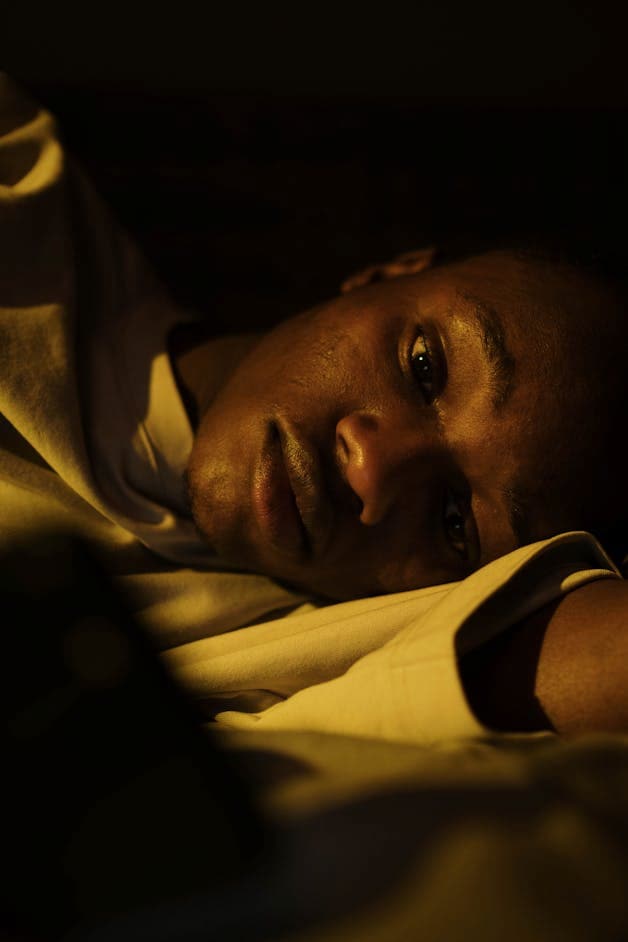
Two thirds of Americans are not sleeping enough. Seventy million have a diagnosed sleep disorder. And nearly half of all workers show up exhausted every single day. This is not a personal habit problem. This is a national health crisis—and we need to talk about it honestly and seriously. Some issue had already been discussed in my previous article.
Okay so I have to be honest about something before I get into any of this.
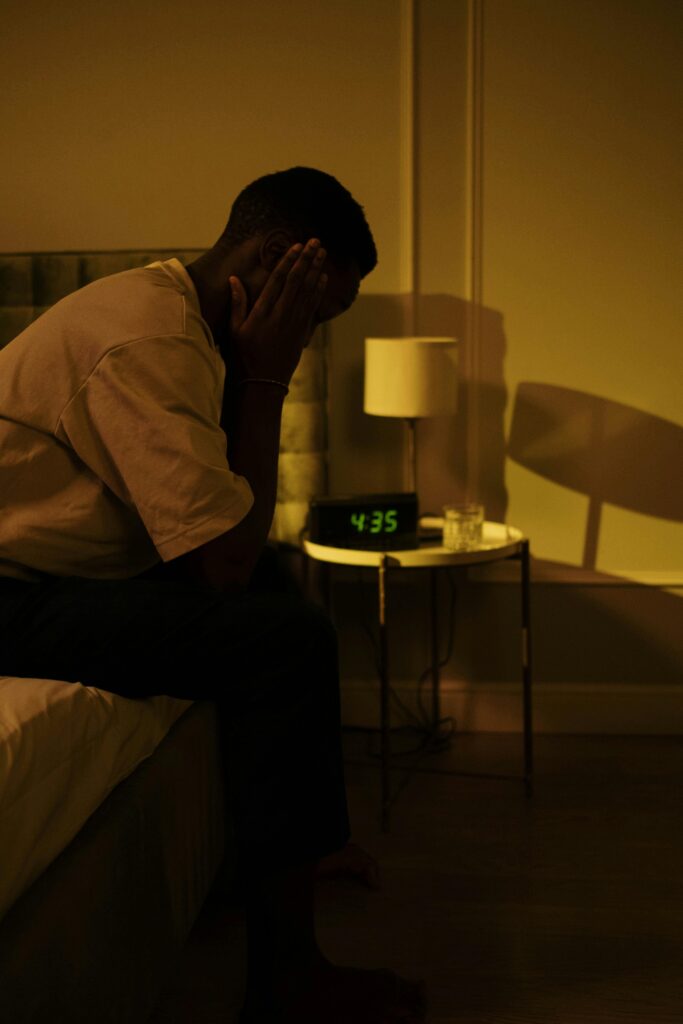
I am a terrible sleeper. Like genuinely, embarrassingly bad at it. Last Tuesday I was so tired I could barely keep my eyes open by 9pm. I told myself I would be in bed by 10. It was 1:47am when I finally put my phone down. I have no good explanation for this. The video I was watching was not even interesting. I could not even tell you what it was about the next morning.
My alarm went off at 7. I snoozed it twice. Got up feeling like I had been hit by something. Spent the first three hours of my day moving through everything at half speed—slow to think, slow to respond, and slightly irritated at things that would not normally bother me. Coffee helped a little. Not enough.
And the embarrassing part is this is not a one-off for me. This is kind of just how my life has been going for a while. I keep telling myself tonight will be different. It usually is not.
I always assumed this was a personal discipline problem. Something about me specifically that was just bad at the basic adult task of going to bed at a reasonable time.
Then I started researching this article. And I found out that two thirds of America is doing the exact same thing. Running on too little sleep. Exhausted. Pretending it is fine. So either we are all equally undisciplined—or something bigger is going on here.
Okay, First—The Numbers. And They Are Not Good.
I want to lay out what we are actually dealing with before anything else. Because I think most people — myself included before I started looking into this — genuinely underestimate how widespread this problem has become.
According to the 2025 National Sleep Foundation Poll, 6 out of every 10 American adults are not getting enough sleep. Not occasionally. Consistently. The CDC recommends a minimum of 7 hours per night for adults. More than one third of Americans fall below that regularly.
And the direction this is moving? The wrong one. In 2013, 34% of Americans were getting 8 or more hours of sleep per night. By 2023 that number had dropped to just 26%. We are sleeping less every single year, and nobody is really treating it like the emergency it is.
Between 50 and 70 million American adults are living with an active sleep disorder right now—insomnia, sleep apnea, and restless leg syndrome. The majority of those people have never been properly diagnosed. They just think they are bad sleepers. They do not realize there is something actually treatable happening.
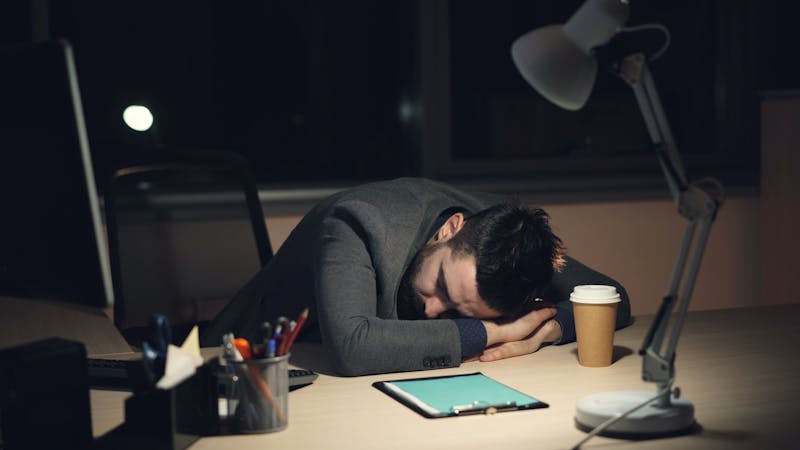
And then there is this: nearly half of American workers report feeling tired at work every single day because of insufficient sleep. Half the workforce. Daily. Running on empty and trying to perform like everything is normal.
I texted my friend about this stat when I found it. She replied within about thirty seconds—just the word “SAME” in capitals. Which felt like it proved the point.
| 6 in 10 American adults are not meeting the CDC-recommended minimum of 7 hours of sleep per night—and the numbers are getting worse every single year. |
Why Is This Happening? It Is More Than Just Phones.
The instinct is to blame screens and call it done. And yes — phones and social media are absolutely part of this. Blue light disrupts your melatonin. Scrolling keeps your brain alert at exactly the moment it needs to be winding down. We all know this. Most of us do it anyway.
But if screens were the whole explanation the fix would be simple. Put the phone down. Problem solved. And clearly it is not that simple — because even people who genuinely try to limit screen time before bed are still struggling to sleep properly.
A major 2025 survey from the American Academy of Sleep Medicine found that 74% of Americans report disrupted sleep due to stress. Nearly three quarters of the country. Lying awake because their brain will not switch off. And 68% specifically name anxiety as the thing keeping them up at night.
Here is what makes this so cruel. Poor sleep makes anxiety worse. Anxiety makes sleep worse. So stress disrupts your sleep, and then the sleep deprivation makes you more anxious and less emotionally regulated the next day, which disrupts your sleep again. It is a loop and it feeds itself. Most people cycle through it for months or years without ever properly addressing either side of it.
Then there is work culture. America genuinely celebrates exhaustion in a way that I find disturbing the more I think about it. We reward people who brag about running on four hours. We treat rest like something you earn after you have finished everything — which means most people never feel like they have earned it. We built workplaces and schedules that treat sleep as negotiable. And then we are surprised that people cannot sleep.
And financial stress. This one does not get nearly enough attention in these conversations. When you are worried about rent, about bills, about whether everything is going to be okay next month — that worry follows you to bed. It does not clock out when you lie down. Research consistently links financial insecurity to higher rates of insomnia. And given how much economic pressure has intensified in recent years, the timing of the sleep crisis getting worse is not a coincidence.
| 74% of Americans say stress is disrupting their sleep — and 68% say anxiety is specifically keeping them awake at night. (American Academy of Sleep Medicine, 2025) |
Can I be real with you about something here?
When I read that 74% of Americans are losing sleep to stress my first reaction was honestly relief. Not alarm — relief. Because it meant the 2am anxious thought spirals I have been having are not some personal character flaw. They are apparently just a standard feature of being alive in America right now.
But my second reaction was more uncomfortable. Because stress-driven sleeplessness is not something you fix with a better mattress or a white noise machine. It means the actual weight of people’s lives — the financial pressure, the job insecurity, the general feeling that things are a lot right now — is following them into bed. And that is a much harder thing to address than any list of sleep tips can handle.
I think most conversations about the sleep crisis skip past this part too quickly. They go straight to habits and routines without stopping to acknowledge that sometimes the reason you cannot sleep is that life is genuinely heavy at the moment. And that is worth saying out loud before we talk about anything else.
“We built a culture that treats exhaustion like a personality trait. Then we wonder why nobody can actually rest.”
What This Is Actually Doing to Your Body — The Part That Changed How I Think About This
Most people know that not sleeping enough makes them tired. What most people do not know is how far the damage actually reaches. Because it goes well beyond feeling groggy.
A major study published in JAMA Network Open in early 2025 analyzed sleep and health data from nearly 47,000 people. The finding that stood out most clearly: people not getting the right amount of sleep had a 29% increased risk of premature death from any cause. Not from sleep-specific conditions. From anything. The effect of chronic sleep deprivation on overall survival is that significant and that measurable.
The cardiovascular damage is real. Chronic sleep deprivation raises blood pressure, increases inflammation in the arteries, and significantly elevates the risk of heart disease and stroke. The metabolic effects are equally serious — poor sleep disrupts the hormones that regulate hunger, which makes maintaining a healthy weight harder and increases the risk of type 2 diabetes over time.
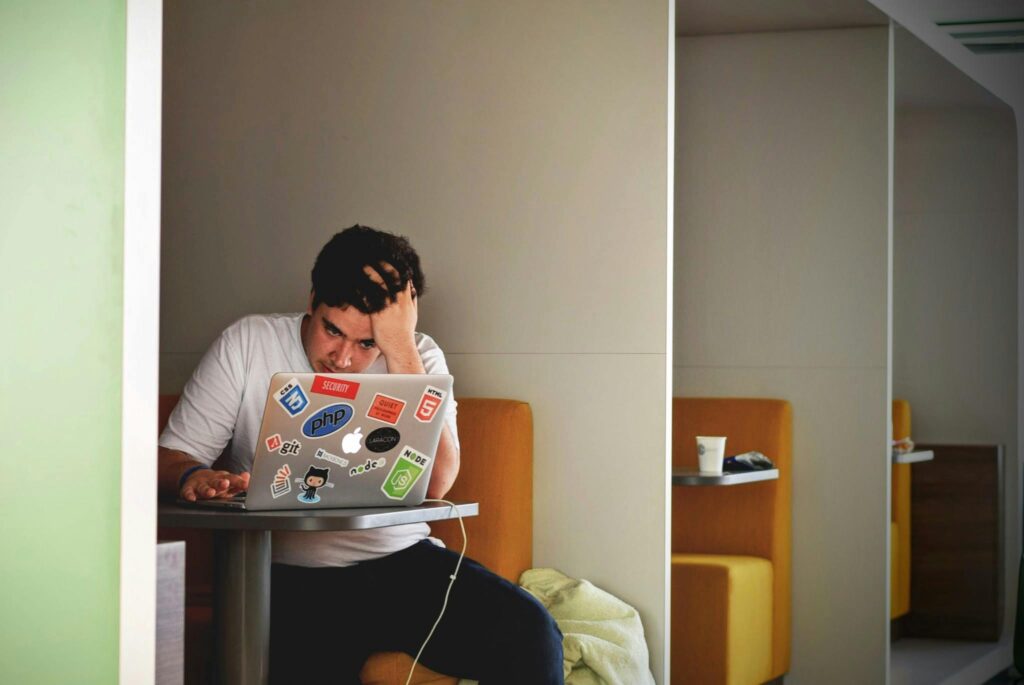
The mental health connection is probably the most vicious cycle in all of this. Poor sleep makes depression and anxiety dramatically worse. Depression and anxiety make sleep dramatically worse. Research shows that people sleeping less than 7 hours per night have a 21% rate of moderate to severe depressive symptoms — compared to just 7% among people getting adequate rest. Three times higher. Just from sleep.
And the cognitive effects are something most people seriously underestimate. Sleep is the window when your brain consolidates the memories from your day, processes difficult emotions, and clears out metabolic waste that builds up during your waking hours. Consistently cutting that window short means your thinking gets slower, your judgment gets worse, and your reactions get less reliable. The American Academy of Sleep Medicine estimates at least 100,000 preventable hospital deaths per year involve errors made by sleep deprived medical staff. That number should alarm all of us a lot more than it seems to.
| 29% increased risk of premature death from any cause in people not getting enough sleep. (JAMA Network Open, 2025) — not a typo, not an exaggeration. |
Here is my honest take on this and I want to say it plainly and honestly
Before I put this article together I treated sleep as the thing I sacrificed when everything else needed doing. Late night, early morning, get through the day on caffeine and willpower and tell myself I will catch up on the weekend. I think a lot of people in their mid twenties operate exactly this way and assume the cost is just feeling a bit rough in the mornings but there i was actually wrong in my daily routines and perception.
But looking at this data — the cardiovascular risk, the mental health connection, the 29% mortality figure — I genuinely cannot treat sleep as optional anymore. The cost is too real and it compounds too quietly for too long before it becomes something you cannot ignore. I actually tried one of the things I write about later in this article — keeping my phone out of the bedroom. I will be honest, the first night felt strange. I kept reaching for it out of habit and it was not there. But I slept for almost seven hours straight which is unusual for me. One night does not prove anything. But it was enough to make me want to keep going with it. And that felt like something worth sharing
“I genuinely cannot treat sleep as optional anymore. The cost is too real and it compounds too quietly.” make this point in your head very cleary and quickly.
Who Is Actually Sleeping Worst in America Right Now
You might assume it is elderly Americans — health conditions, less activity, living alone. The reality is more complicated than that.
Young adults are struggling significantly. College students are among the most sleep deprived groups in the country — more than one third get less than 7 hours per night, and research from BMC Public Health suggests up to 56% have poor overall sleep quality. They are pulling late nights, working multiple jobs, managing financial pressure, and scrolling until 2am. The result is a generation entering adulthood already chronically exhausted before their real adult lives have even properly started.
People in their 30s and 40s face a different set of pressures. Career demands, young children, aging parents, financial responsibilities — this life stage stacks things in a way that makes sleep feel like the first thing you sacrifice when time gets tight. And because the costs of sleep deprivation accumulate slowly, most people do not connect the dots between the sacrificed sleep and the way they feel five years later.
Older adults face their own challenges. Between 40% and 70% of adults over 65 experience chronic sleep problems. But the majority of those conditions go undiagnosed because people assume that light sleep and frequent waking is just what getting older feels like. Often it is not. It is a treatable condition that nobody ever told them to mention to their doctor.
What struck me looking at all of this is that there is genuinely no comfortable age in America right now when sleeping well is easy. Every stage has its own obstacles. And at every stage we are largely just accepting it and getting on with things but believe me it takes us in a slow death.
What Actually Helps — And I Am Only Including Things the Research Backs
I want to be upfront here. A list of tips is not going to fix a crisis rooted in financial stress, impossible work schedules, and a culture that treats rest as weakness. If those are the things keeping you awake — and for a lot of people they are — then the solution is bigger than adjusting your bedtime routine.
But there are things that the research consistently shows make a genuine difference. And I have been experimenting with some of them myself since I started writing this. Here is what actually seems to work and seriously helps me a lot.
- Set a consistent wake up time and protect it — including weekends. This sounds backwards but researchers consistently find it works better than trying to control your bedtime. When you wake at the same time every day your body builds a natural sleep drive that makes falling asleep at night much easier over time. The weekend lie-in that feels like recovery is often what makes Monday night harder to sleep through.
- Get your phone physically out of the bedroom. Not on silent. Not face down. Out of the room. I resisted this one the longest and it made the most noticeable difference when I actually tried it. Research is consistent — the mere presence of a smartphone in a bedroom disrupts sleep quality even when you are not actively using it. Your brain knows it is there.
- Protect the last hour before you sleep like it matters. Because it does. Bright lights, stressful news, heavy food, intense conversations — all of these activate your nervous system at exactly the moment it needs to be winding down. A boring pre-sleep routine is not boring. It is just treating sleep like a thing that deserves some actual preparation.
- Move your body during the day. Regular physical activity is one of the most consistently evidence-backed ways to improve sleep quality. Even a thirty minute walk makes a measurable difference to how easily you fall asleep and how deeply you stay asleep. Just avoid vigorous exercise in the two or three hours before bed as it can make falling asleep harder.
- Talk to a doctor if this has been going on for a while. This sounds obvious and yet a surprising number of people struggle with sleep for years without ever mentioning it medically. Conditions like sleep apnea and chronic insomnia are diagnosable and treatable. You do not have to just accept it as your normal.
None of these are dramatic. None of them require an app or a supplement or a complete life overhaul. They just require treating sleep like it actually matters — which most of us have been trained by our culture not to do.
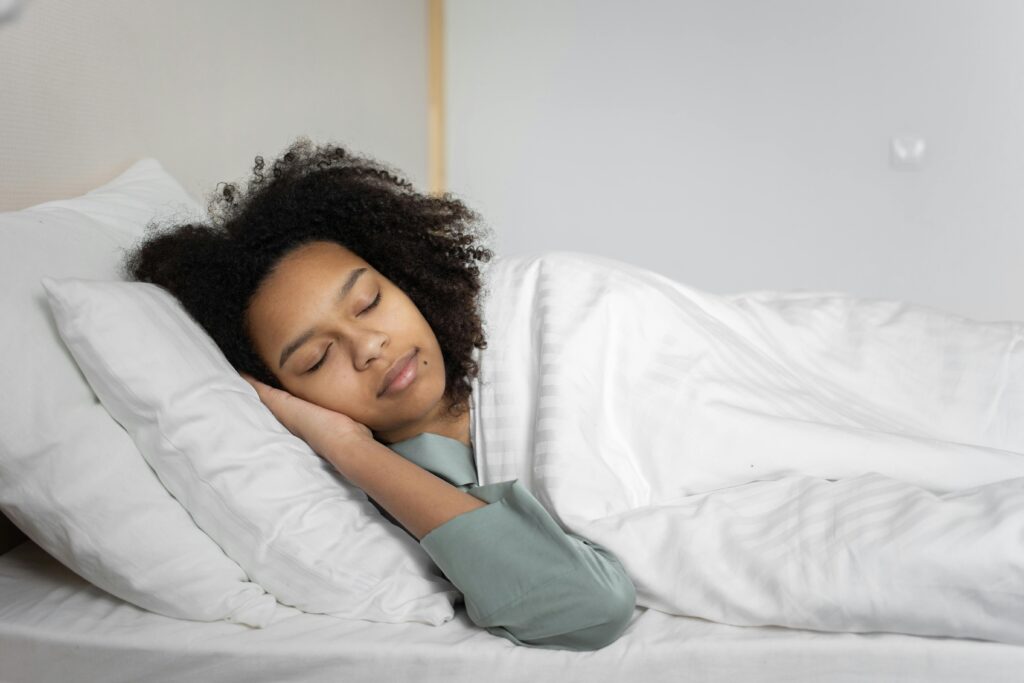
Here is the thing I want to say before I close this and I am going to be direct about it.
I think we need to stop talking about sleep like it is a personal discipline problem. When two thirds of a country are not sleeping enough, when 70 million people have sleep disorders, when half the workforce shows up tired every day — that is not a million individual failures. That is a society that has built itself in a way that makes basic human rest genuinely difficult. And individual tips, however real and useful, do not fix that.
The things that are actually keeping America awake — financial pressure, overloaded work schedules, a culture that celebrates exhaustion, healthcare that does not screen for sleep disorders as standard — these are structural problems that need structural attention. And I think until we are honest about that we are going to keep having the same conversation about melatonin and blue light while the numbers quietly get worse.
I am not writing this to be discouraging. I am writing this because naming the actual problem is always the first step toward doing something real about it. And I think America is not quite there yet on this one.
One Last Thing
I started this article because I recognized myself in the problem. The late nights I keep telling myself not to have. The groggy mornings. The way exhaustion becomes such a permanent background hum that you forget what it actually feels like to be properly rested.
Somewhere in the research I went from feeling like I was writing about a personal bad habit to feeling like I was writing about something much bigger. Because when most of a country is not sleeping well — that is not coincidence. That is a signal. A signal that the pace and pressure of modern life has outrun our basic biological needs somewhere along the way.
Sleep is not optional. It is not a luxury. It is not something you earn after you have been productive enough. It is the foundation that your health, your mood, your relationships, your thinking — all of it — is built on. And for most Americans and mostly Gen Z right now, that foundation has some serious cracks in it.
I am trying to take this more seriously in my own life. Some nights I manage it. Some nights I am still watching something pointless at 1:47am. But I am paying more attention now than I was before. And I think that is where it starts.
Sleep well. You actually deserve it.
| 📋 MY AND YOUR NEED TO KNOW |
| ✔ 6 in 10 American adults are not getting the CDC recommended 7 hours of sleep per night |
| ✔ Between 50 and 70 million Americans have an active sleep disorder — the majority undiagnosed |
| ✔ Chronic sleep deprivation raises premature death risk by 29% from any cause (JAMA, 2025) |
| ✔ 74% of Americans say stress disrupts their sleep — 68% specifically blame anxiety |
| ✔ Nearly half of American workers feel tired at work every single day |
| ✔ People sleeping under 7 hours have a 21% rate of moderate to severe depression vs 7% in rested adults |
| ✔ Americans getting 8+ hours dropped from 34% in 2013 to just 26% in 2023 |
| ✔ This is not a personal discipline problem — it is a public health crisis with structural causes |
Are you struggling with sleep right now? What has helped — or made it worse — for you? Drop it in the comments below. I genuinely read every single one and would love to hear what your experience has been.
Thank you for visiting usaconcern.com and taking the time to read our content. Your visit truly matters to us. Stay alert and stay informed, because an informed voice can help shape a better future.
Feel free to leave a comment below with your thoughts!!


Hey, I’m Vishal Srivastava — the person behind USAConcern.com. I started this site because I genuinely believe there are conversations happening in America that deserve more honest, human coverage. I write about health, mental wellness, lifestyle, and the cultural shifts shaping everyday American life, as I come from a strong background in artificial intelligence and engineering, combined with certified knowledge in mental wellness and fitness. My goal is to bridge the gap between technology and human well-being. I believe true success comes from a balance of a sharp mind, a healthy body, and smart use of technology. Through my work, I aim to provide practical solutions that improve both performance and lifestyle. Thanks for reading—your journey to a better mind, body, and life starts here.