

The United States has once again been rocked by recently made public Jeffrey Epstein investigative papers, which raise unsettling concerns about how one of the most infamous sexual offenders in history was able to freely associate with the richest and most powerful people in the world. Even though Jeffrey Epstein passed away in 2019, his network’s influence can still be seen in philanthropy, technology, politics, and finance.
The public’s scrutiny of elite accountability and the murky connections that shielded Epstein for years is rekindled by these new documents, but they do not bring new criminal charges against the well-known individuals involved.
What the Newly Released Epstein Files Reveal
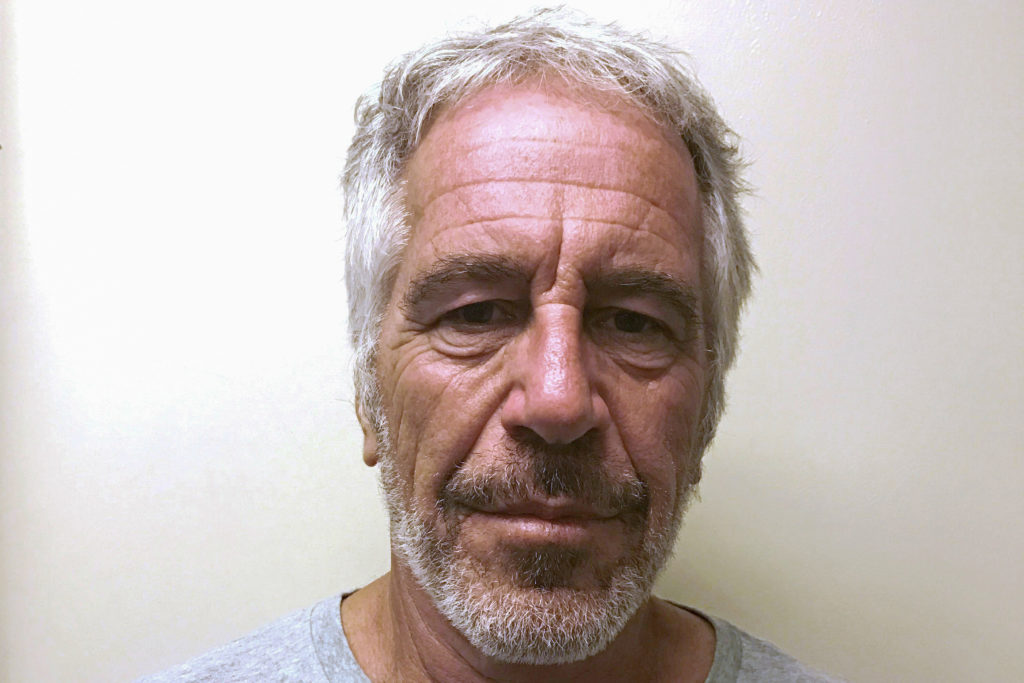
The latest tranche of records includes depositions, emails, travel references, and third-party testimonies connected to Epstein’s long-running abuse case. Together, they paint a clearer picture of how deeply Epstein was embedded in elite social circles.
Key takeaways include:
- Epstein’s continued access to powerful individuals even after his 2008 conviction
- Repeated interactions with billionaires, politicians, and global influencers
- A pattern of influence that blurred the line between philanthropy, power, and privilege
For many Americans, the most troubling question remains: How was Epstein allowed to operate so openly for so long?
Bill Gates and the Epstein Connection

One of the most discussed names resurfacing in the Jeffrey Epstein investigative files is Bill Gates.
Gates has previously acknowledged meeting Epstein multiple times, calling those meetings a “mistake.” He has firmly stated that:
- He had no involvement in Epstein’s crimes
- His interactions were related to philanthropy discussions
- He regrets any association with Epstein
Still, critics argue that Epstein’s access to Gates highlights how reputation and wealth can override moral red flags—especially when powerful figures are involved.
Elon Musk: Mentioned, Not Accused
Tech billionaire Elon Musk has also been referenced in public discussions surrounding Epstein’s social web. Musk has categorically denied any wrongdoing or meaningful connection to Epstein, stating he never visited Epstein’s properties and had no substantive relationship with him.
Importantly:

- No evidence in the files accuses Musk of criminal activity
- His name appears largely in the context of Epstein’s wide-reaching social ambitions
Yet, even indirect associations fuel public debate about power, proximity, and responsibility.
Why These Epstein Files Matter Now
The renewed attention comes at a time when trust in institutions is fragile. Americans are increasingly skeptical of systems that appear to protect the elite while failing the vulnerable.
These revelations underscore:
- A two-tier justice system perception
- The dangers of unchecked wealth and influence
- The long-term impact on Epstein’s victims seeking accountability
Even years after Epstein’s death, his case remains a symbol of institutional failure.
Public Reaction and Media Impact
Social media platforms and newsrooms alike are flooded with reactions. Some see the files as overdue transparency; others view them as a reminder that many questions may never be fully answered.
Trending searches around the Jeffrey Epstein investigative files show:

- Growing interest in elite accountability
- Renewed calls for legal reform
- Demand for clearer disclosure laws involving powerful individuals
The Bigger Picture: Power Without Oversight
The story of Jeffrey Epstein is no longer confined to the crimes of one man—it has evolved into a stark exposé of a system that failed by design. Epstein did not merely exploit victims; he navigated an elite ecosystem where wealth functioned as armor, access replaced accountability, and influence softened scrutiny.
The appearance of globally recognized figures does not equate to culpability, but it underscores a chilling truth: proximity to power often muffles consequence. In these rarefied circles, reputations outshine warnings, and institutional guardrails quietly dissolve.
As these investigative files resurface, they force America to reckon with uncomfortable realities about privilege, influence, and justice in the modern age. This is not just a reopening of records—it is a reopening of conscience.
Because when power operates without oversight, silence becomes policy—and history has a way of returning to collect the debt.